Monaco
The following day we caught a packed train to Monaco, about 25 minutes east of Nice. In summer, the trains can be sweltering and crowded, so I’d recommend bringing a mini fan if you visit in peak season—temperatures regularly hit 30–35°C, and the crowds make it feel hotter. As it’s a different country, it also has different rules around data usage – for instance it is VERY expensive to use your data there, and you’re better off finding free wifi.

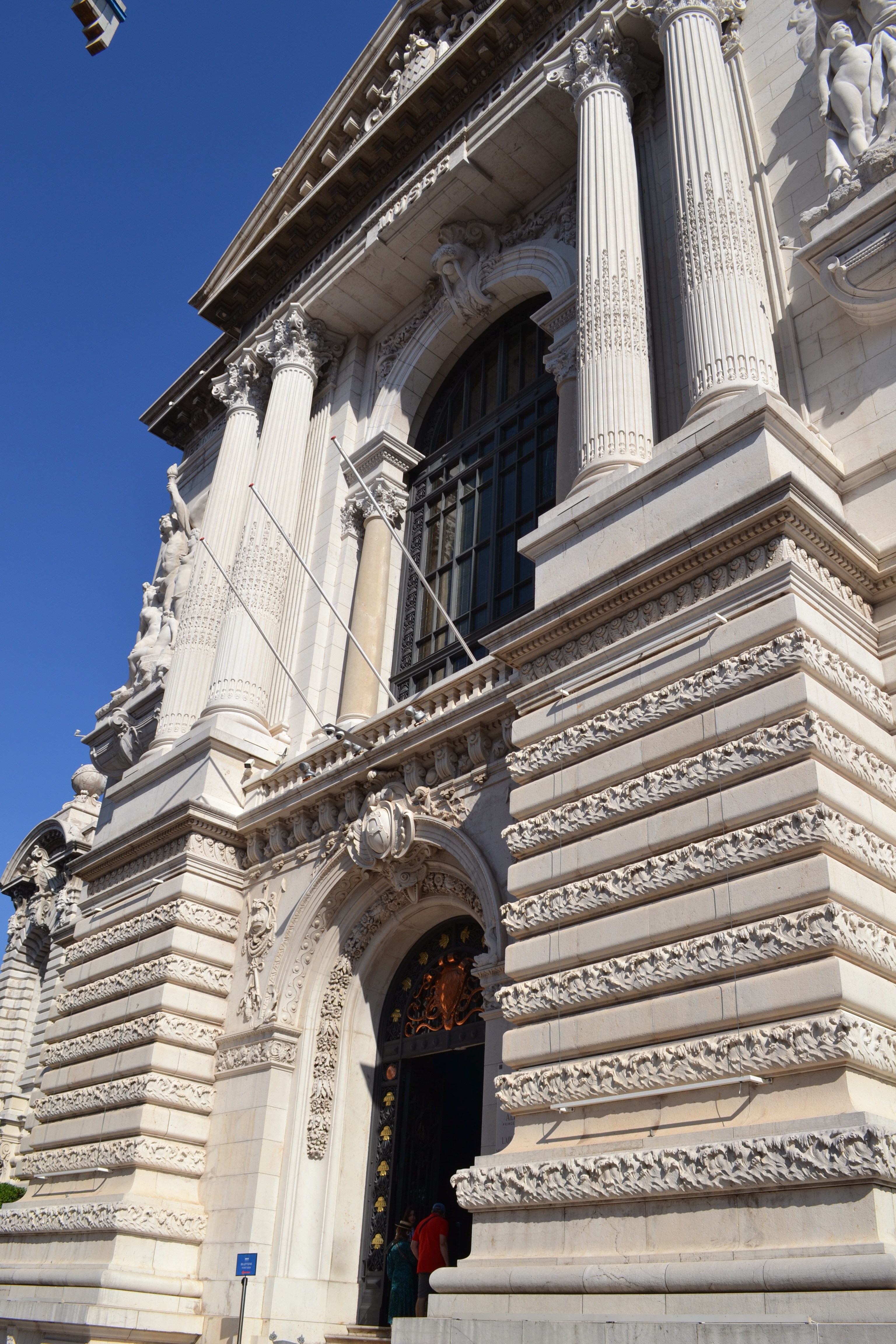
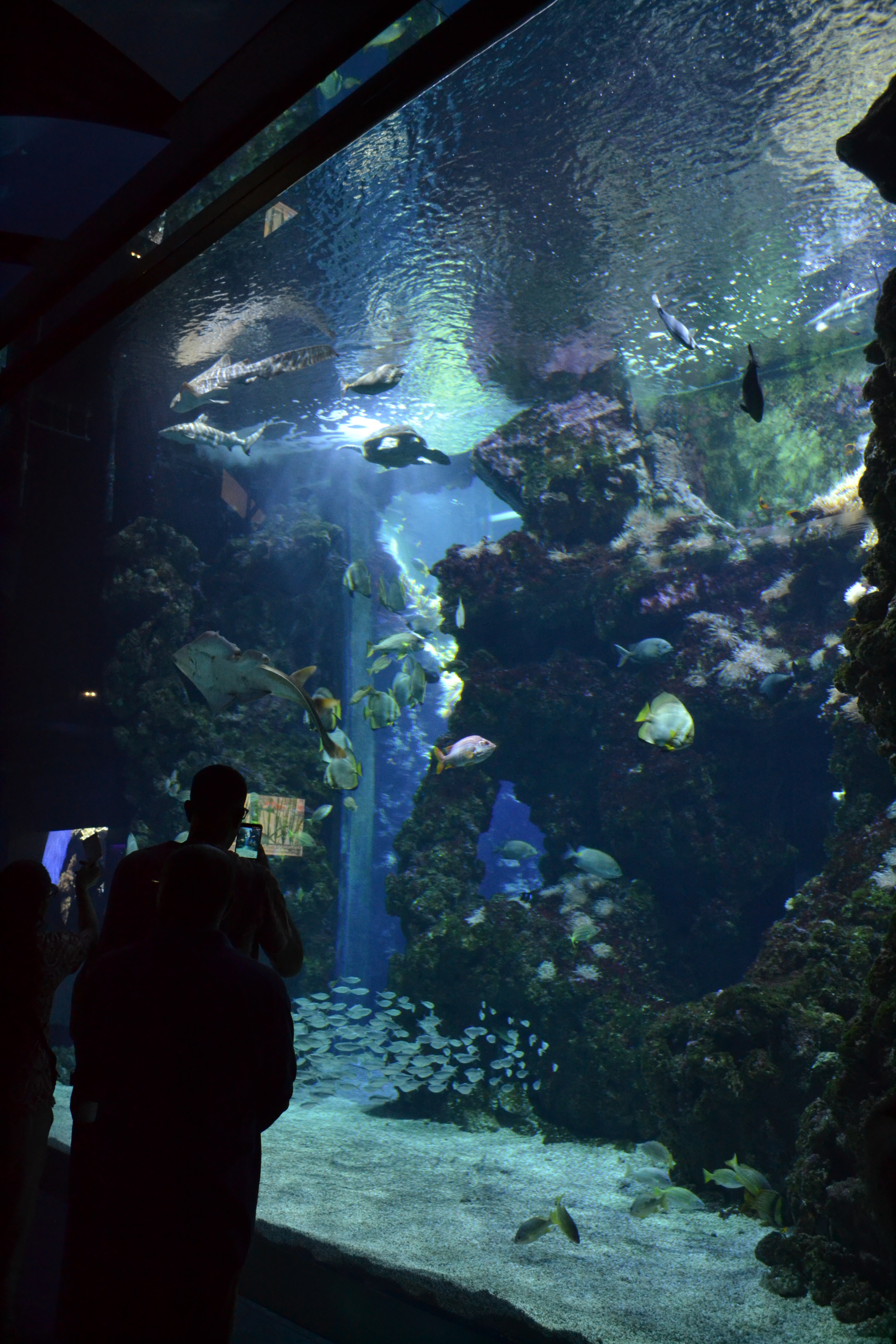
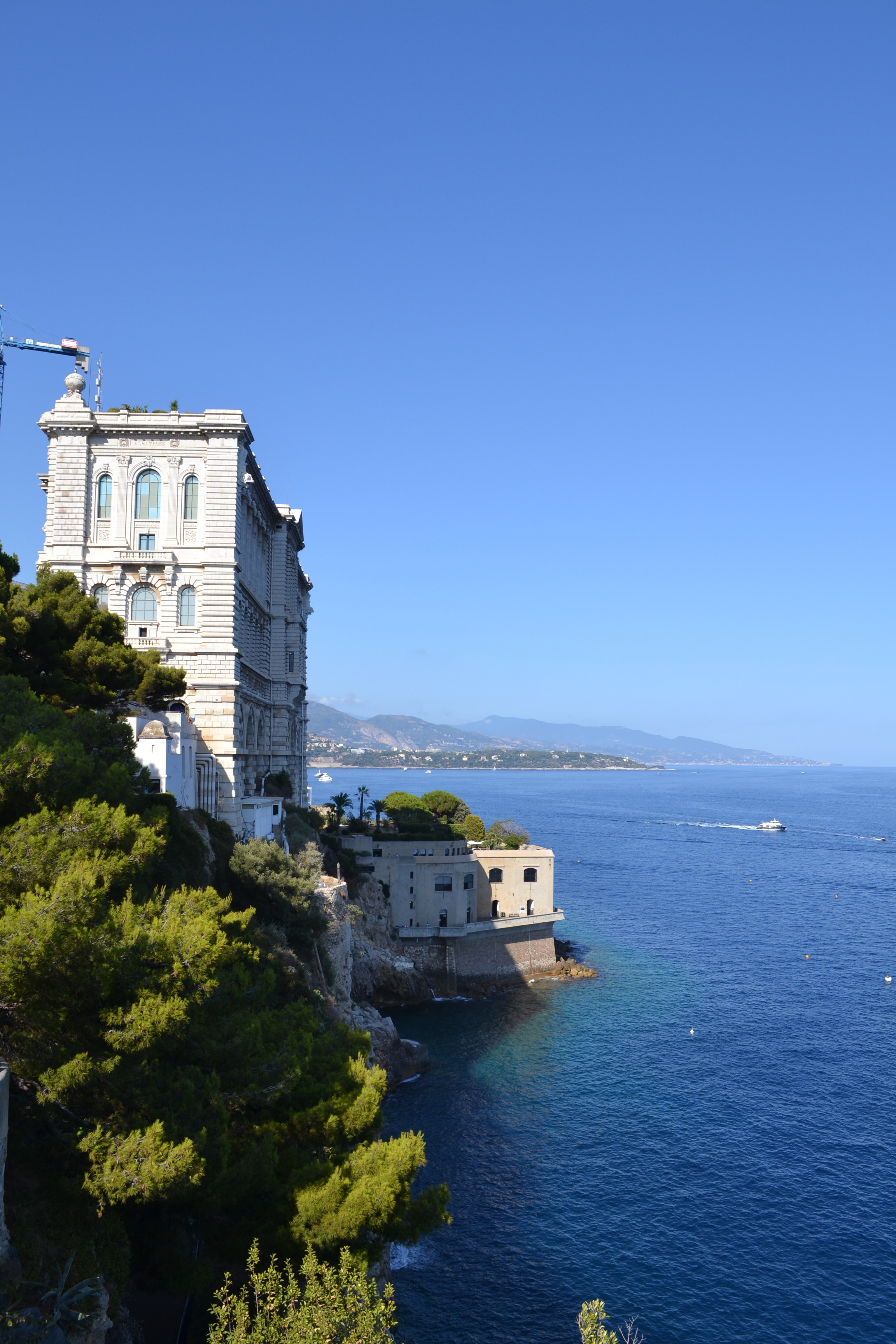
We started in the Old Town, then visited the Oceanographic Museum. The aquarium itself wasn’t my favourite —too busy— but the museum’s interior was stunning. If you decide to visit, don’t miss the rooftop views, skeleton room and the ship reconstruction room.



We bought a joint ticket for the museum and the Prince’s Palace, which I’d recommend. The palace is about a 10-minute walk away and entry includes an audio guide. We toured around 20 rooms, including the throne room, royal library, king’s bedchamber, and a suite dedicated to Princess Grace Kelly. Among her beautiful personal items was a diamond dog-shaped brooch—she loved dogs.
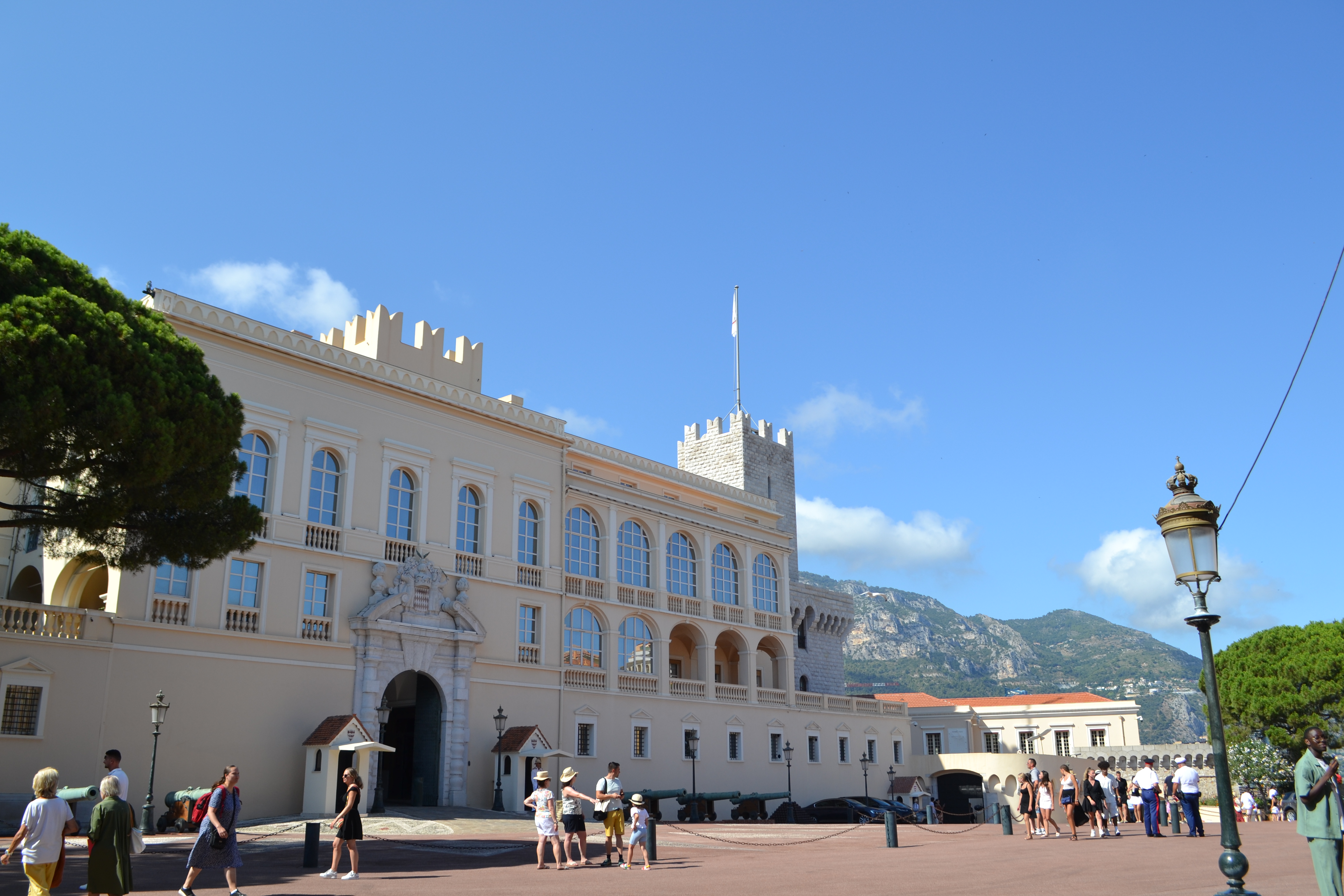
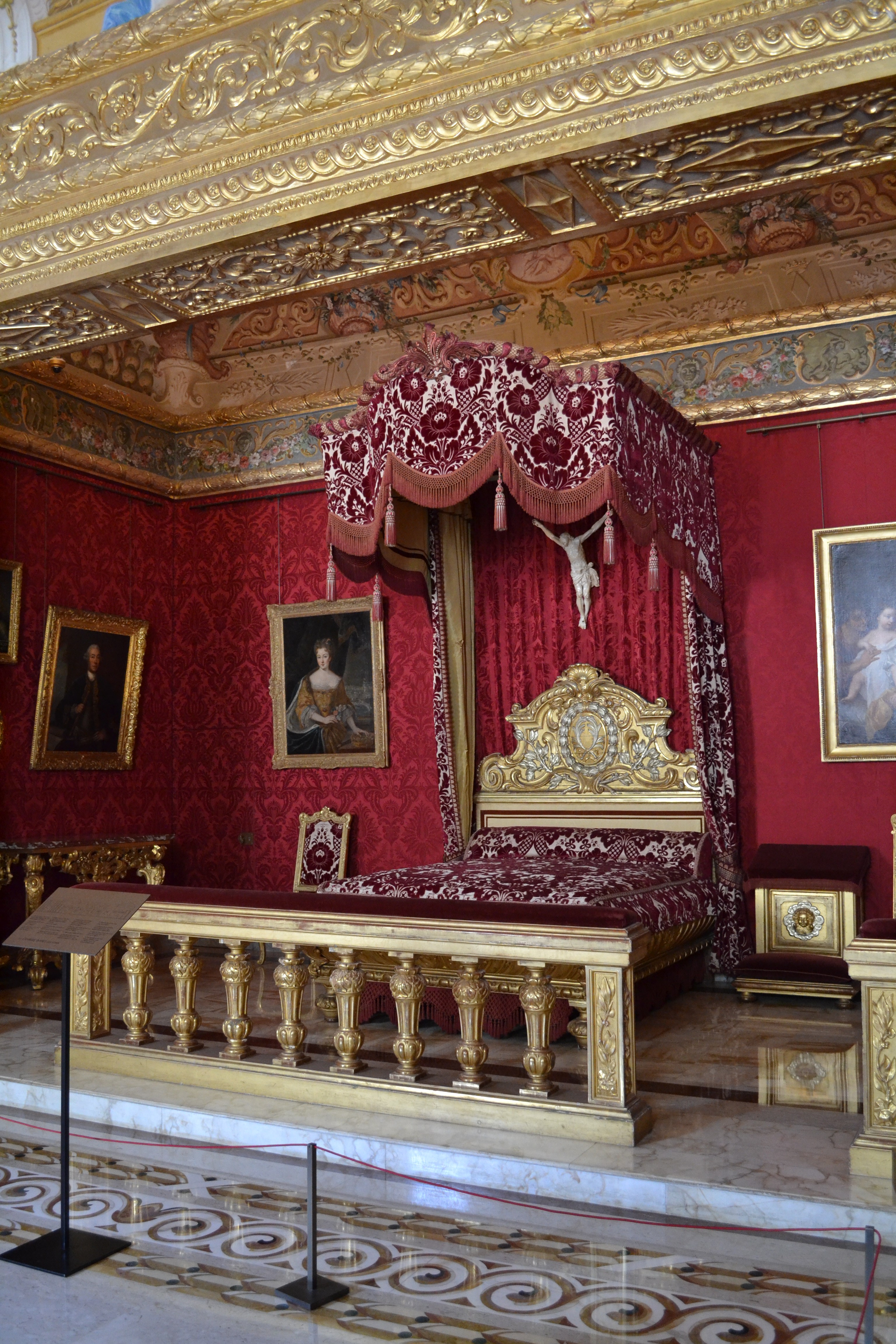
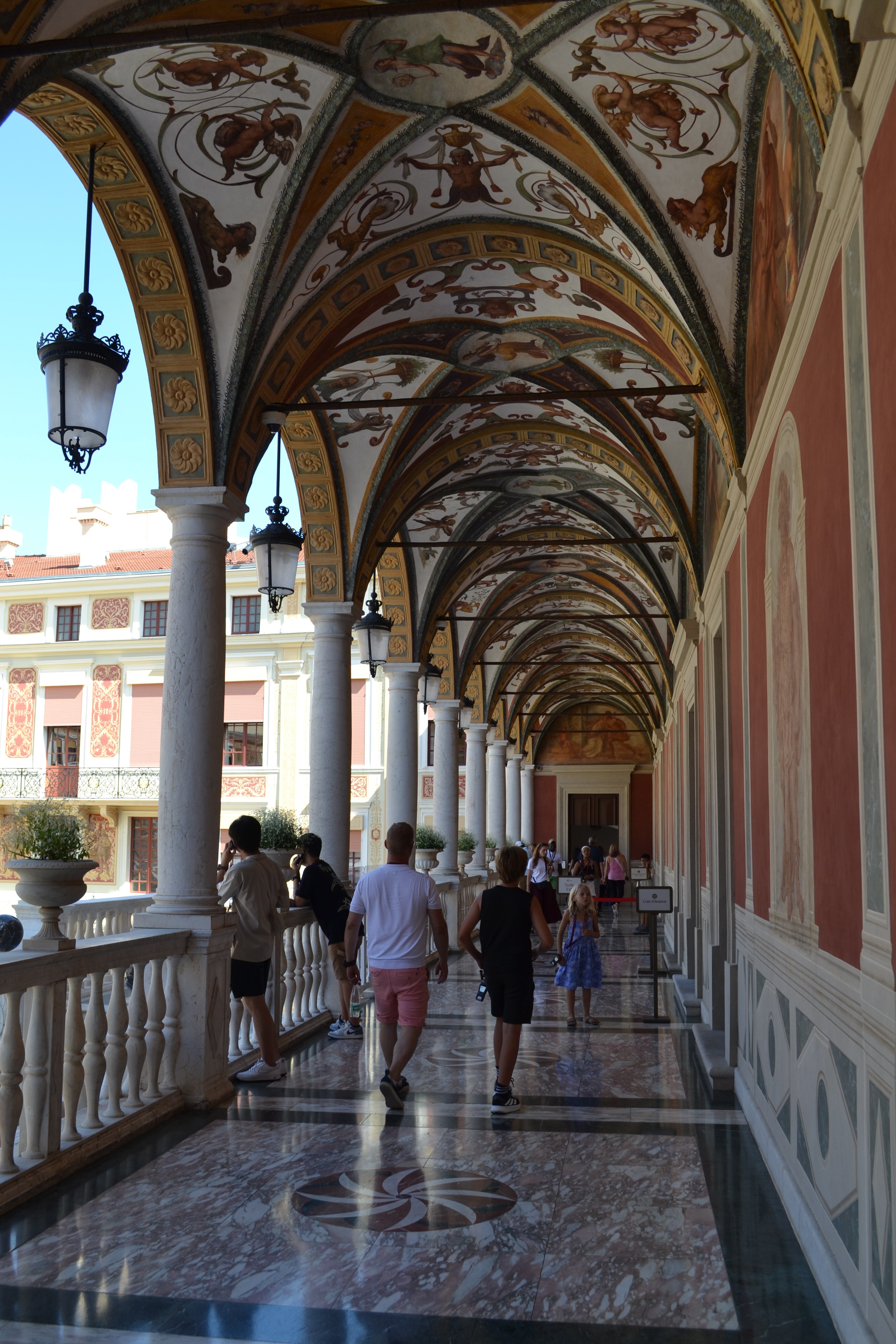
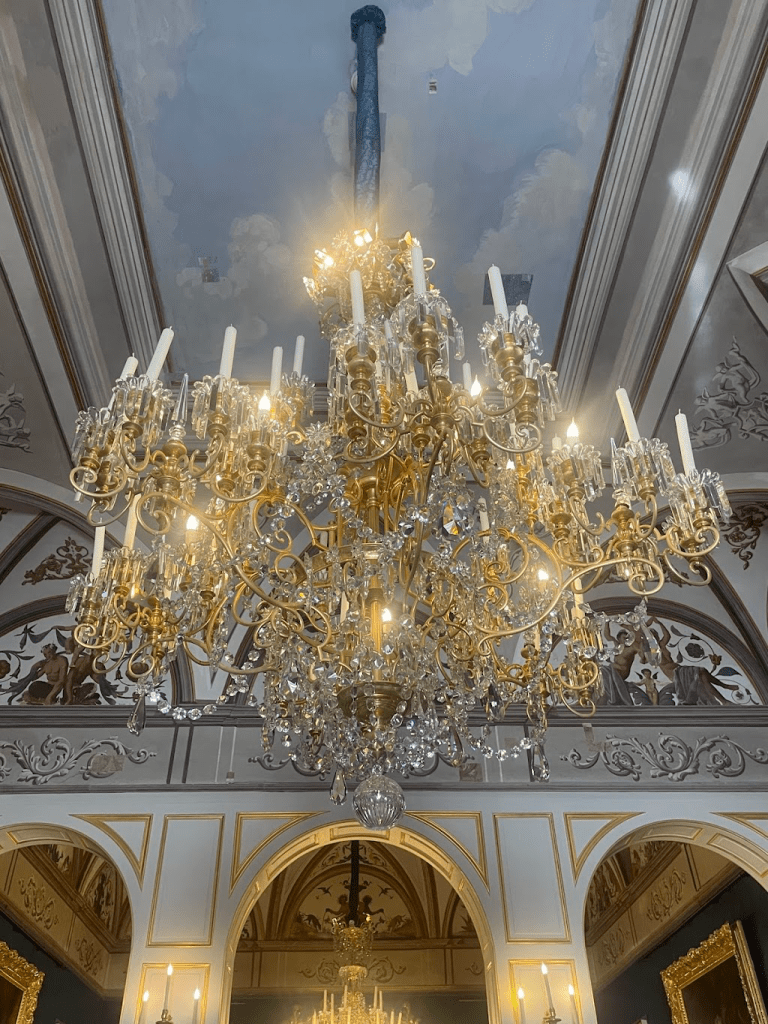


Afterwards, we discovered the nearby gardens (worth visiting while at the museum) and then headed to Monte Carlo.
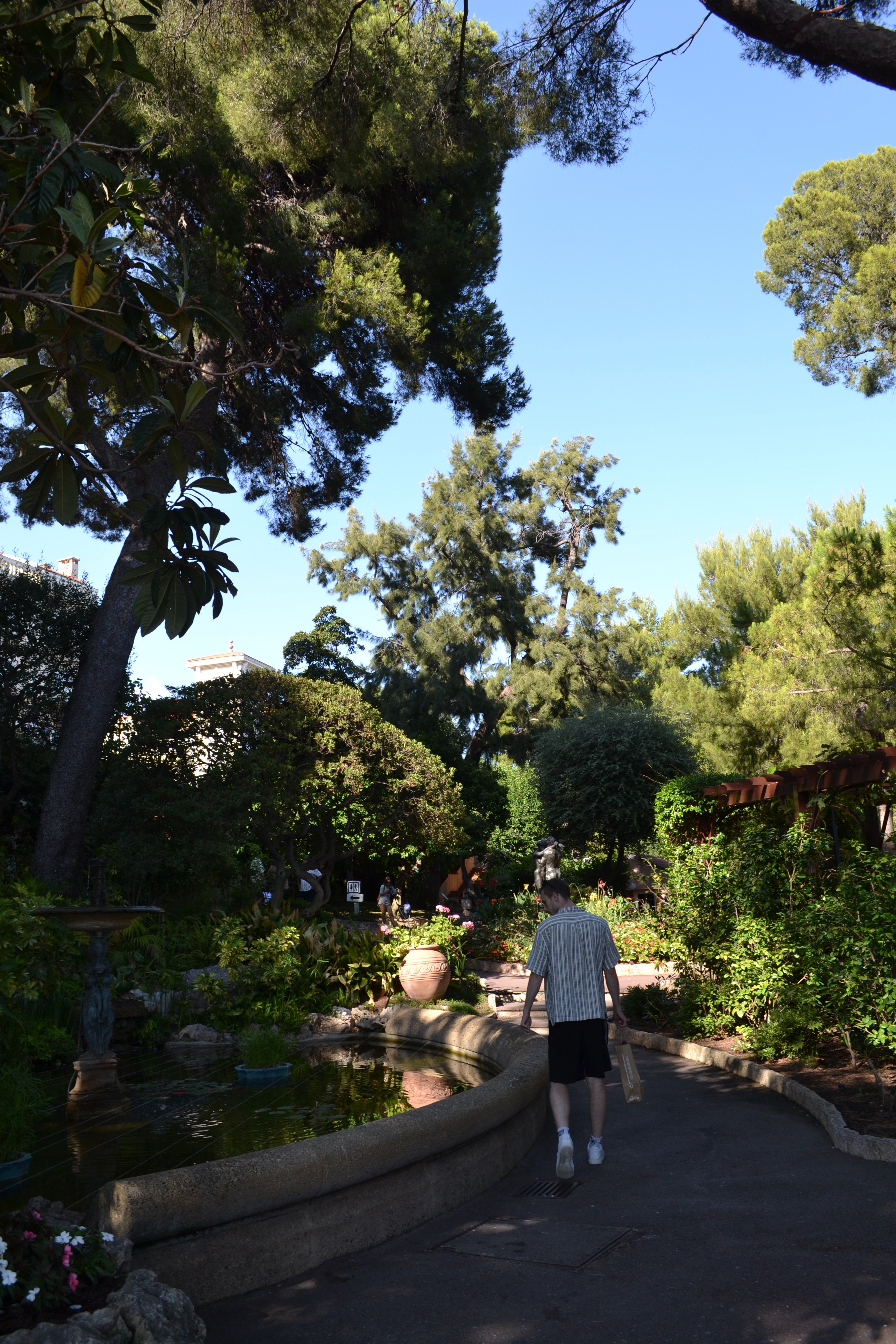
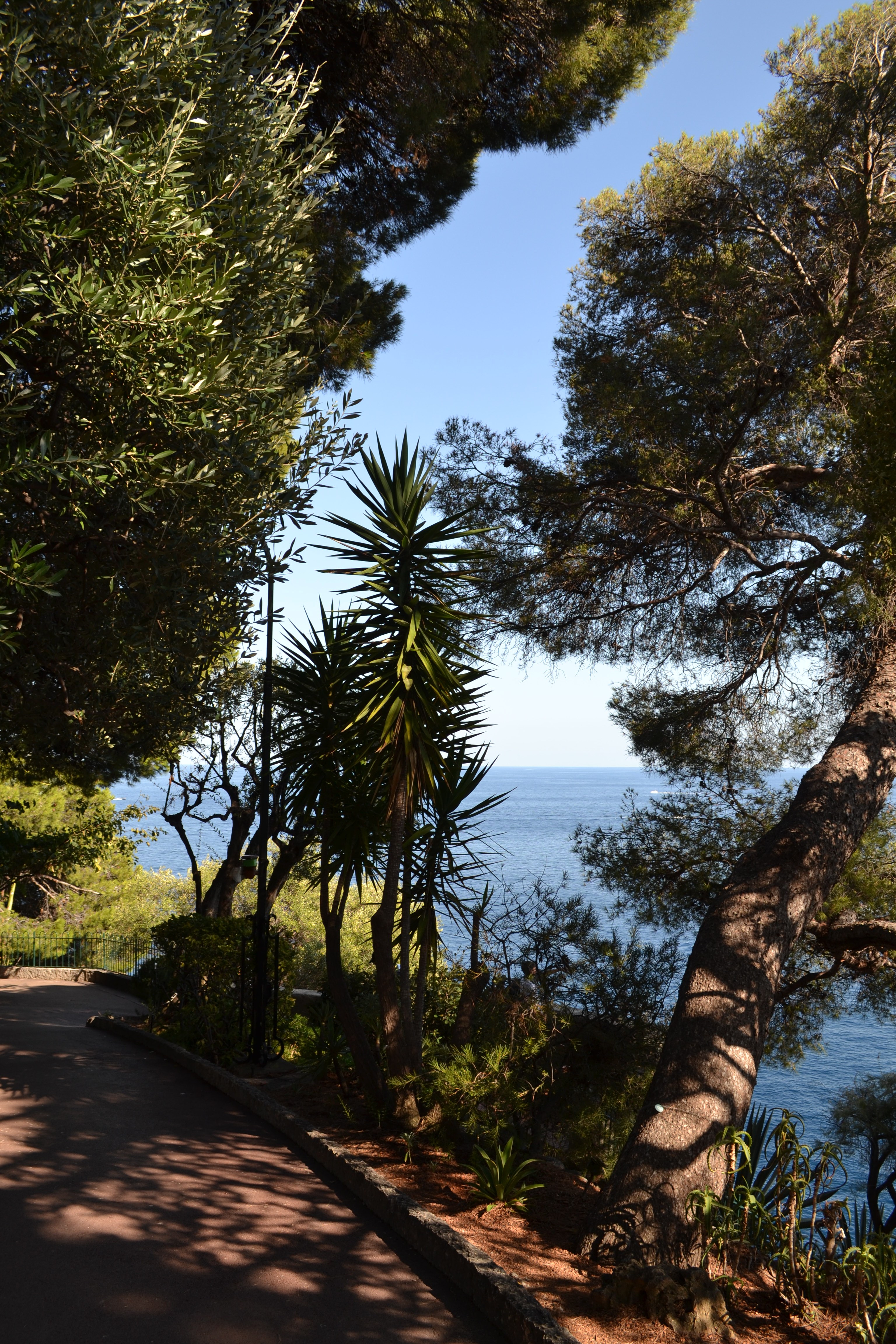
We stopped at the Japanese Garden, a peaceful spot worth a look. The gardens were commissioned by Prince Rainier III in 1994 and designed by Yasuo Beppu. They were said to have fulfilled Princess Grace’s dream of incorporating Japanese serenity into the principality.


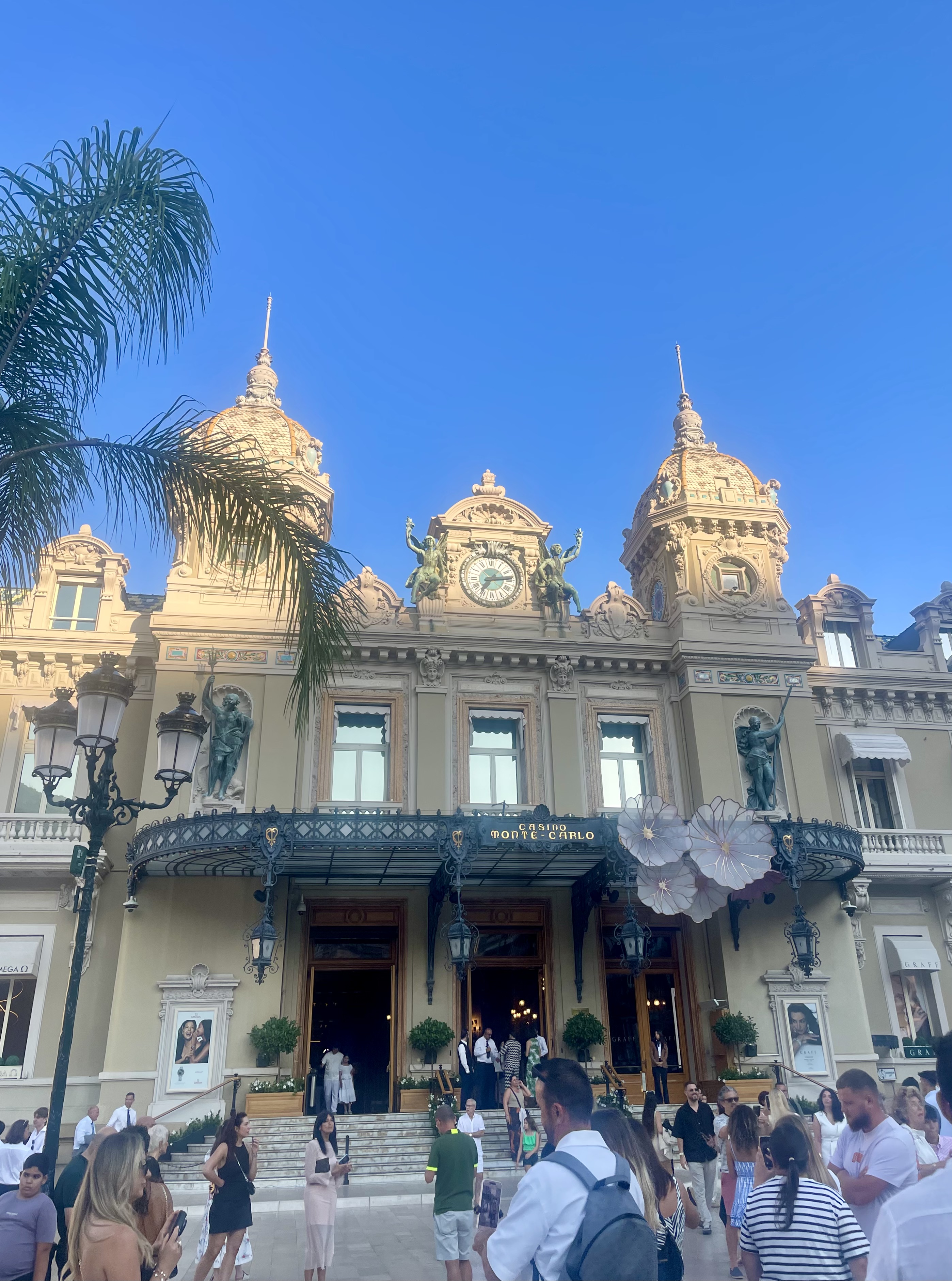
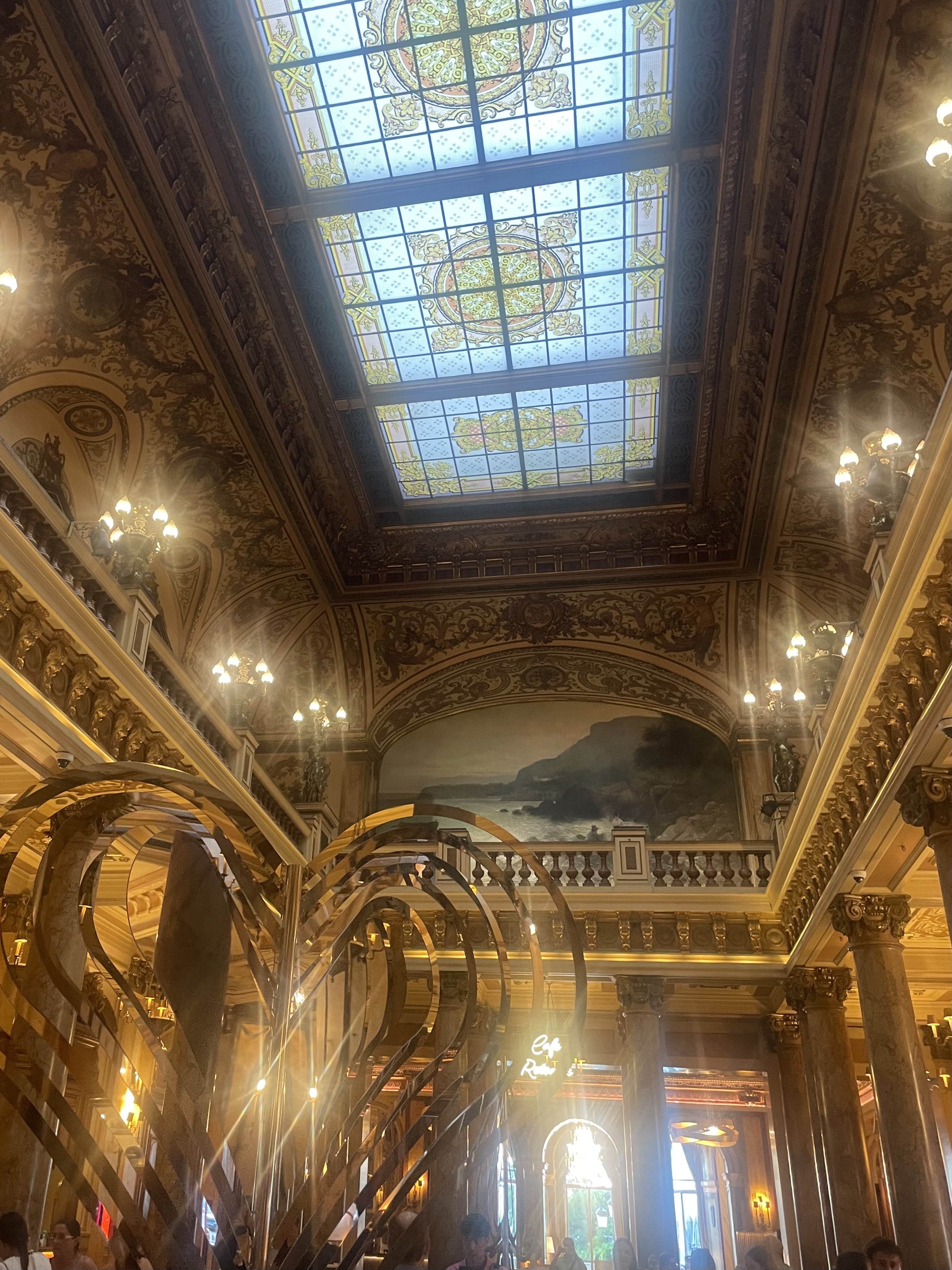
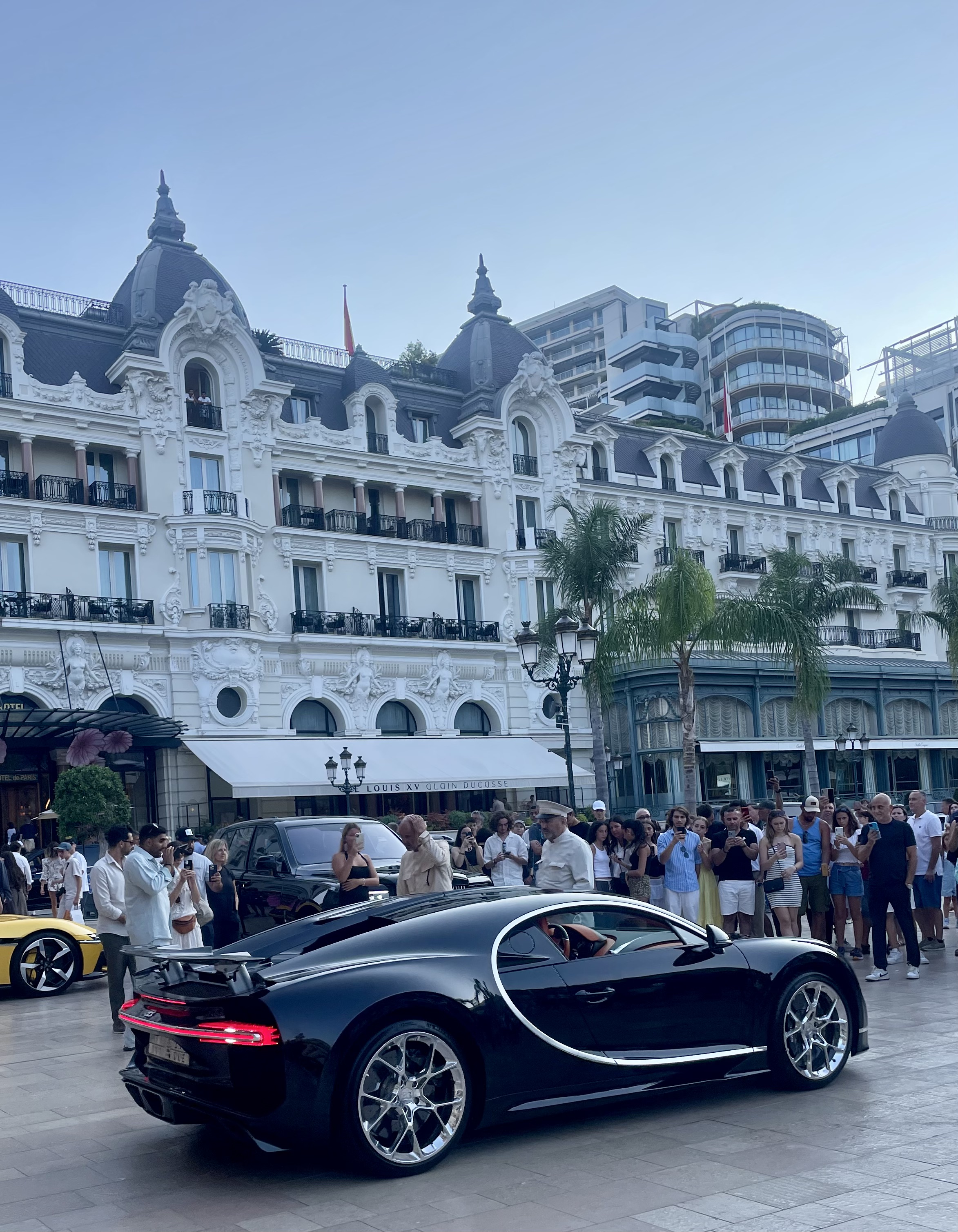
Next, we visited the famous Monte Carlo Casino. Unfortunately, we couldn’t enter the poker area due to the strict dress code after 7 pm—my partner was wearing shorts, and we thought the cutoff time was later. We still had fun at the slot machines, winning a combined €100. We also visited a more relaxed casino in the square where we could see the blackjack tables.
Cannes
The next morning, we set off for Cannes, about 40 minutes from Nice by train. Known for its chic film festival, Cannes has a different vibe to the quieter towns we’d visited—it’s all about palm-lined boulevards, designer boutiques, and polished seafront promenades.
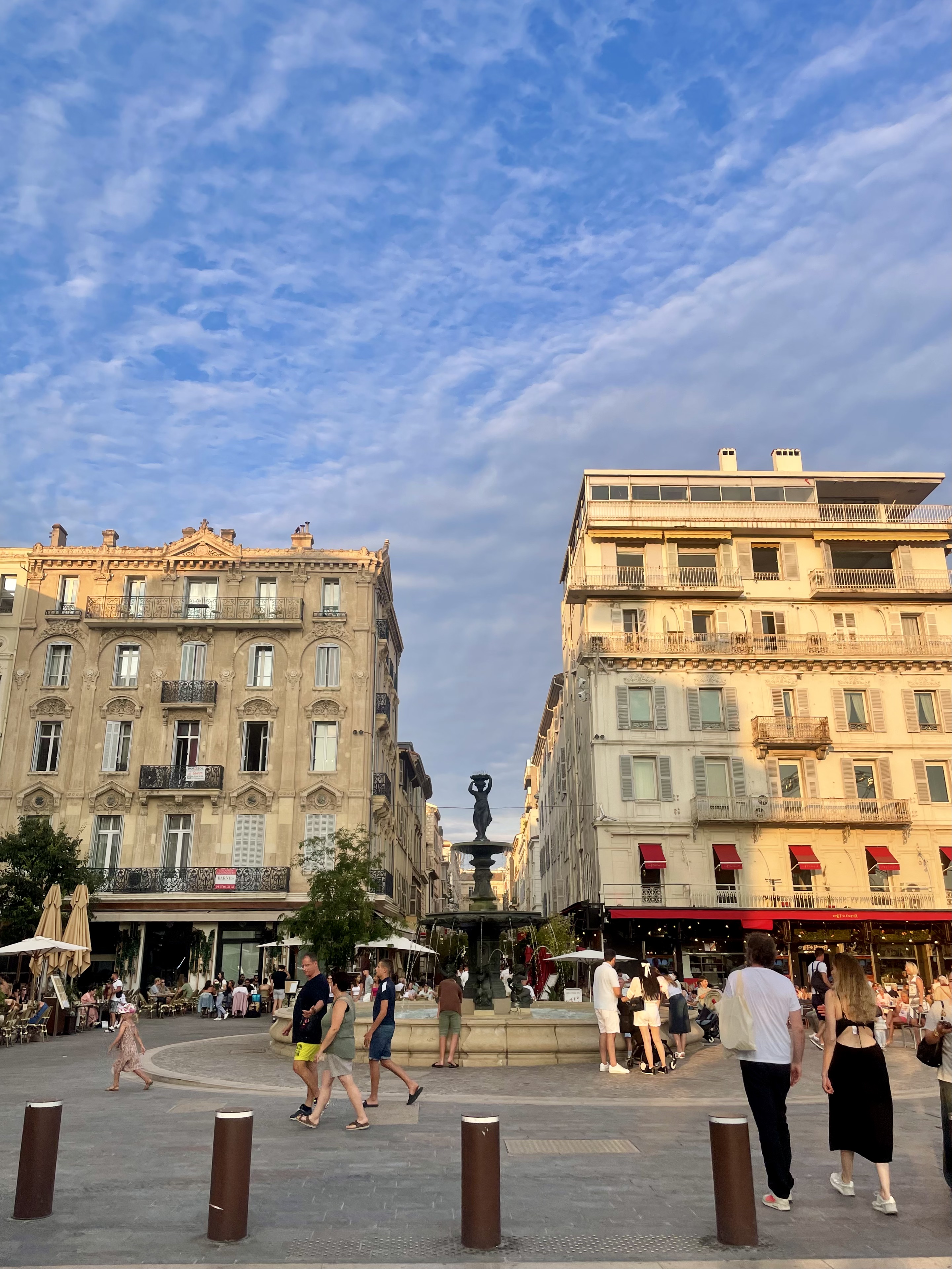
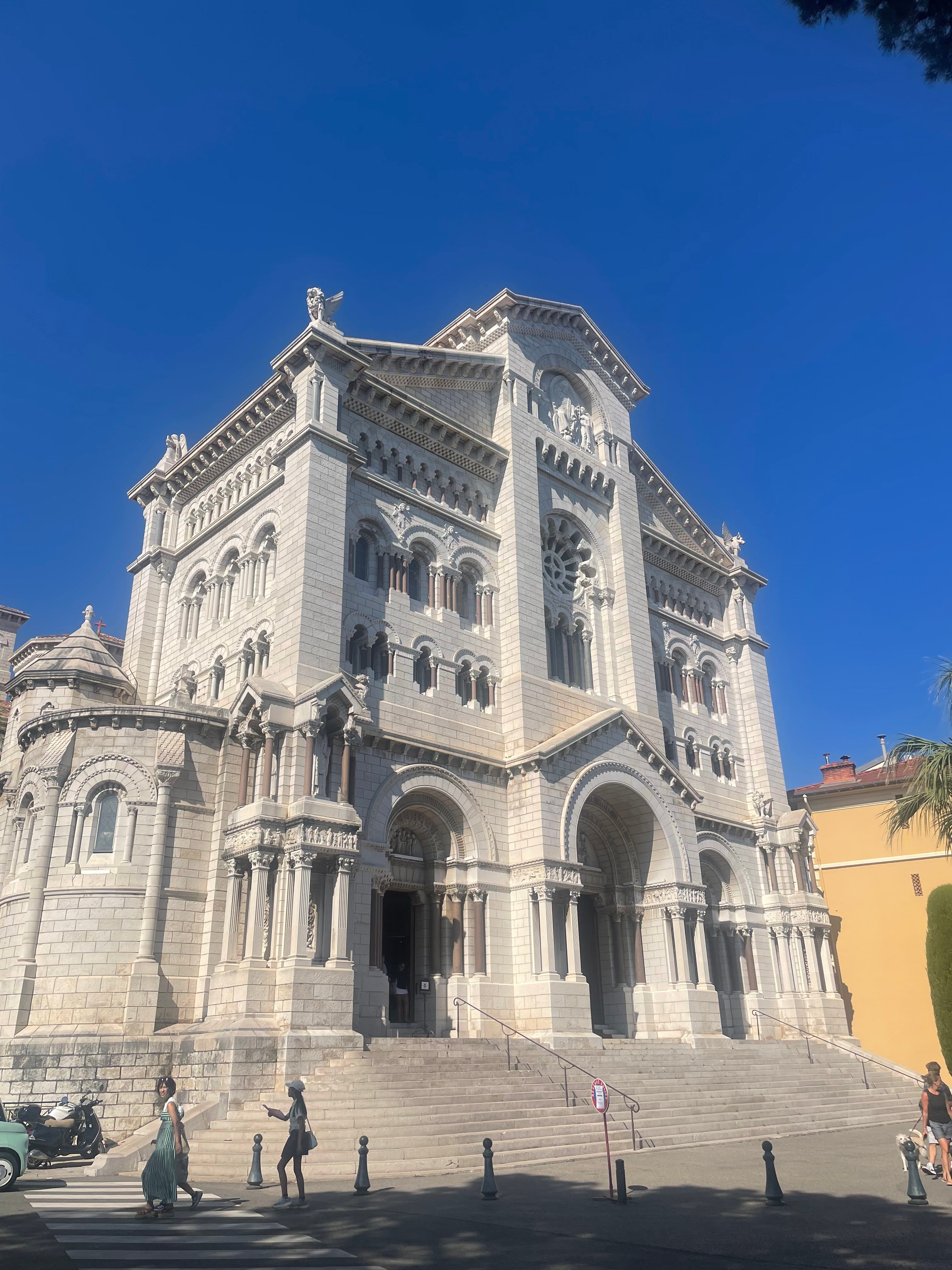
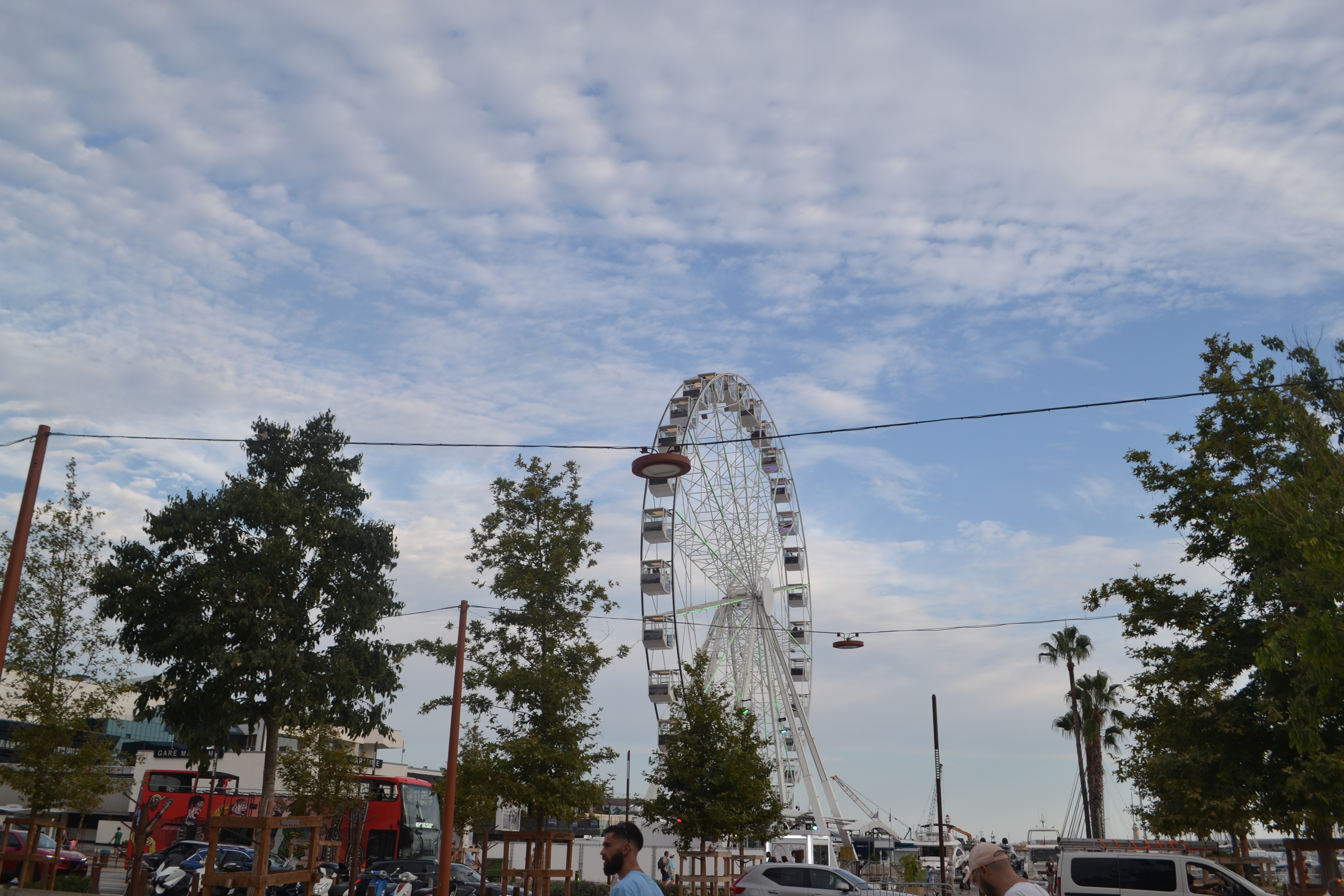
We visited Cannes Cathedral, a Romanesque-style church dating back to the 16th century, before wandering through Le Suquet, the old quarter of the city. Climbing its winding cobbled streets lined with pastel houses and balconies spilling with flowers, we were met with a quieter, more authentic side of Cannes. We then wandered down to the marina, on our way to catch a ferry to Ile Saint Honorat, stopping on the way to get a gelato of course.


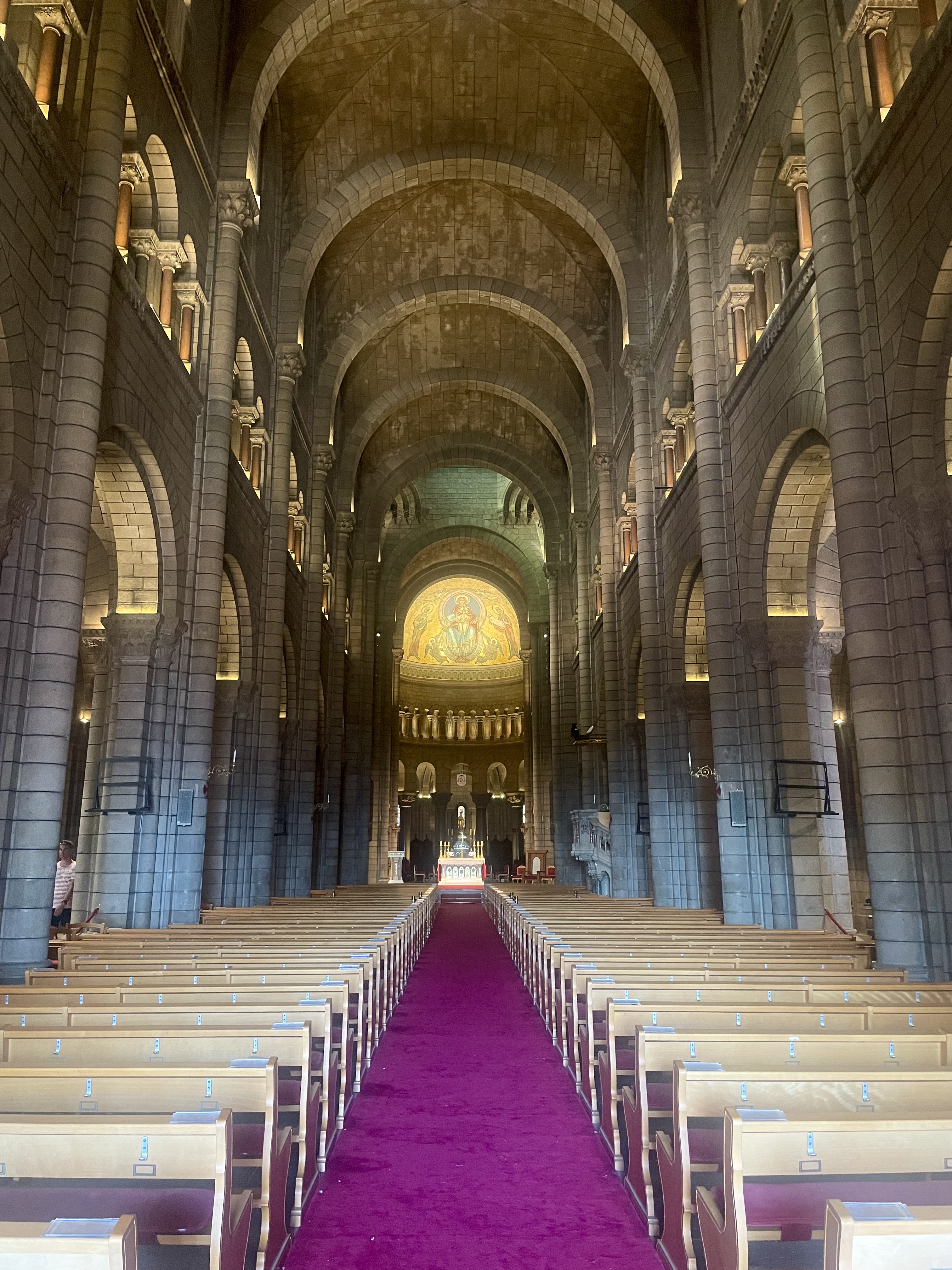

We caught the ferry over to Île Saint-Honorat and spent the afternoon exploring. The island feels wonderfully peaceful, with shaded paths winding past vineyards and quiet little coves.
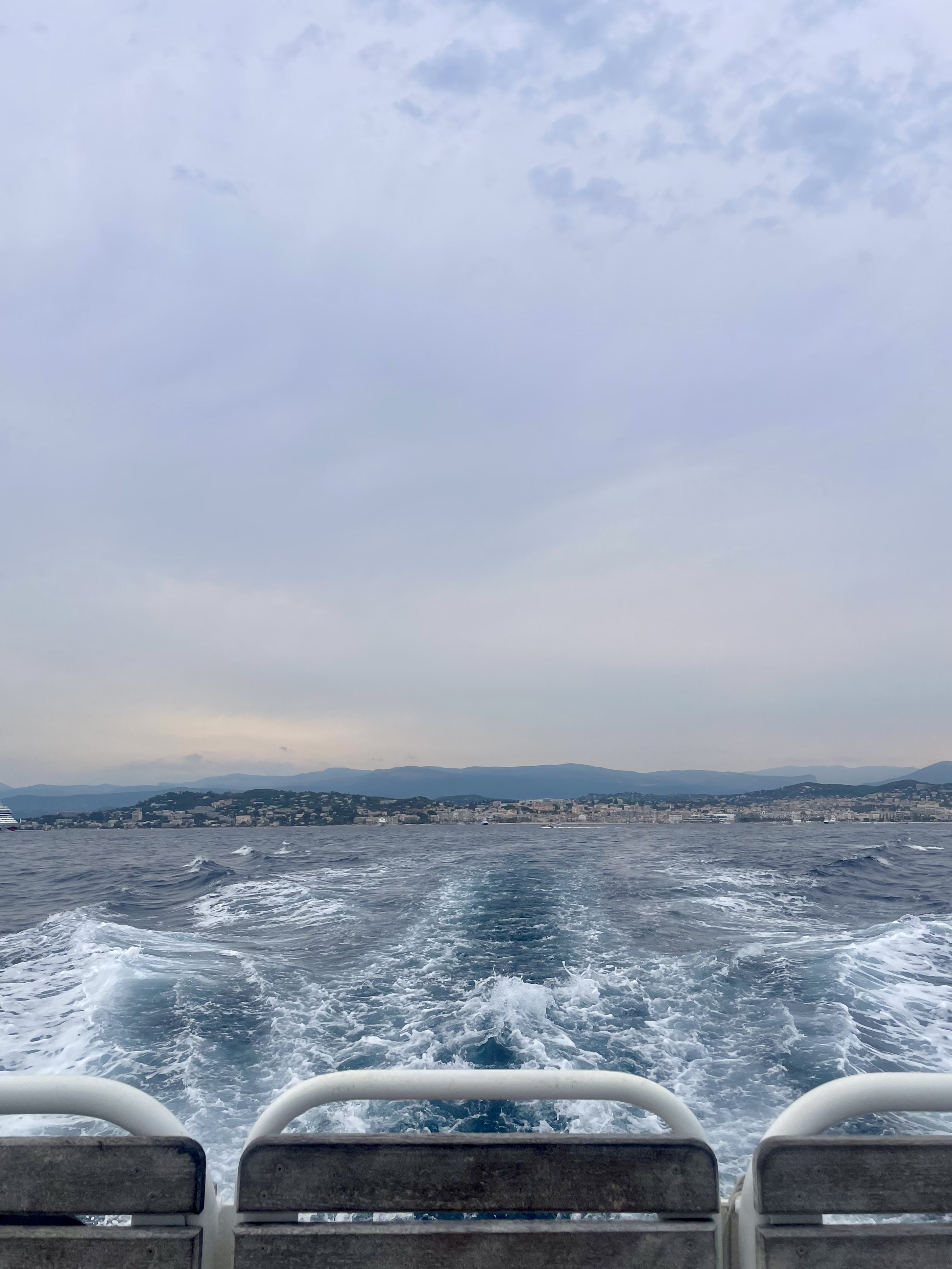
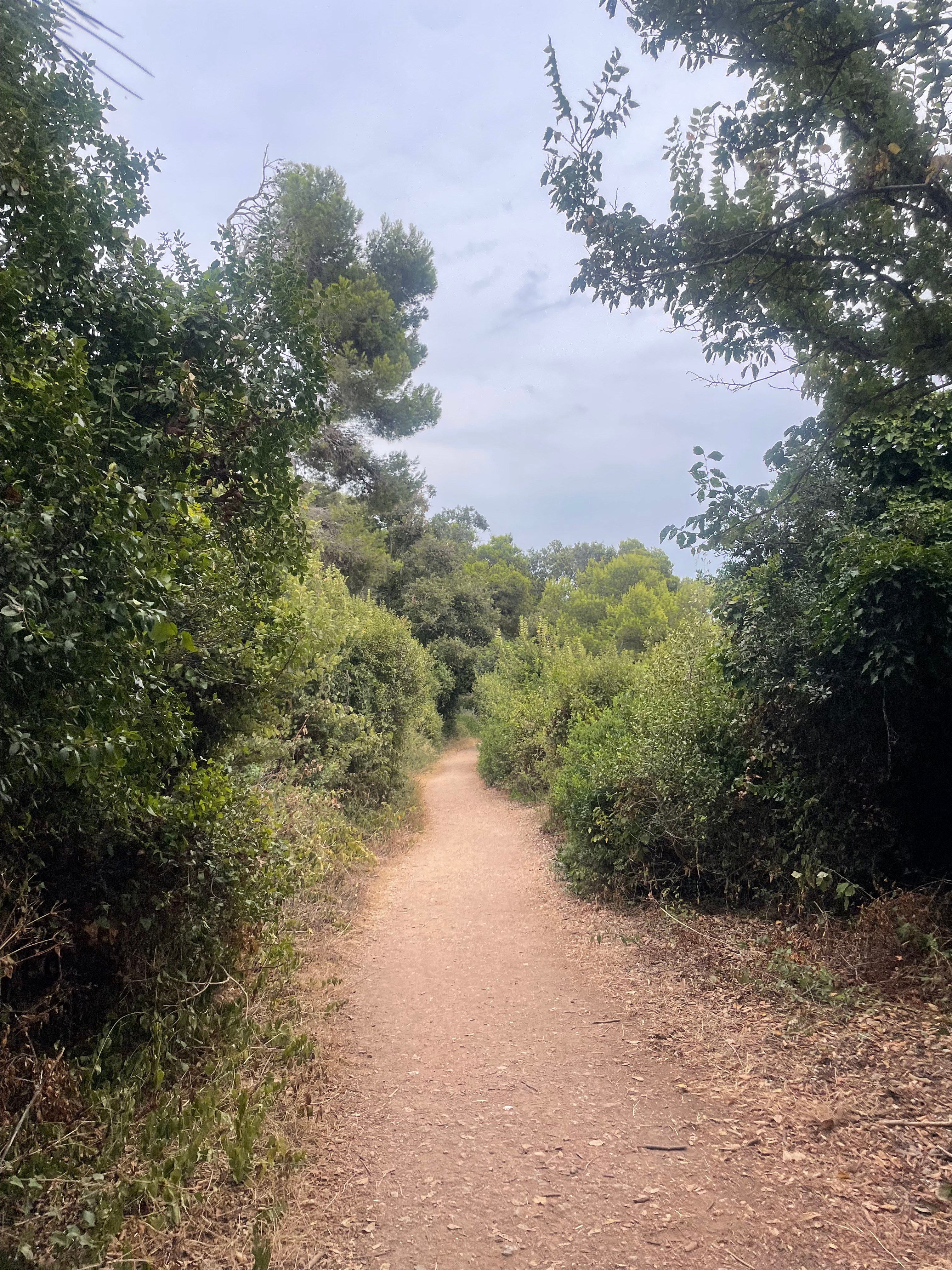
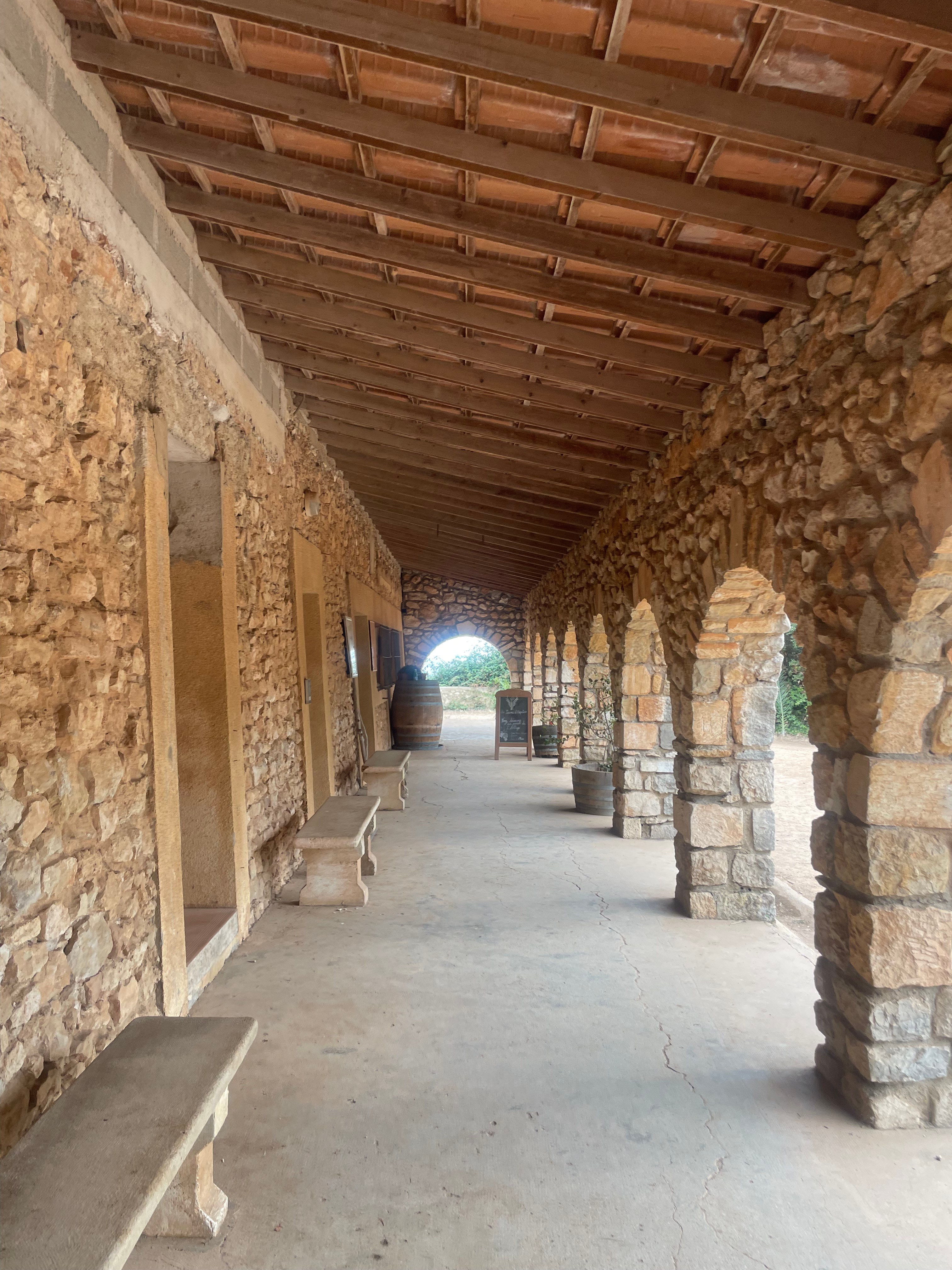
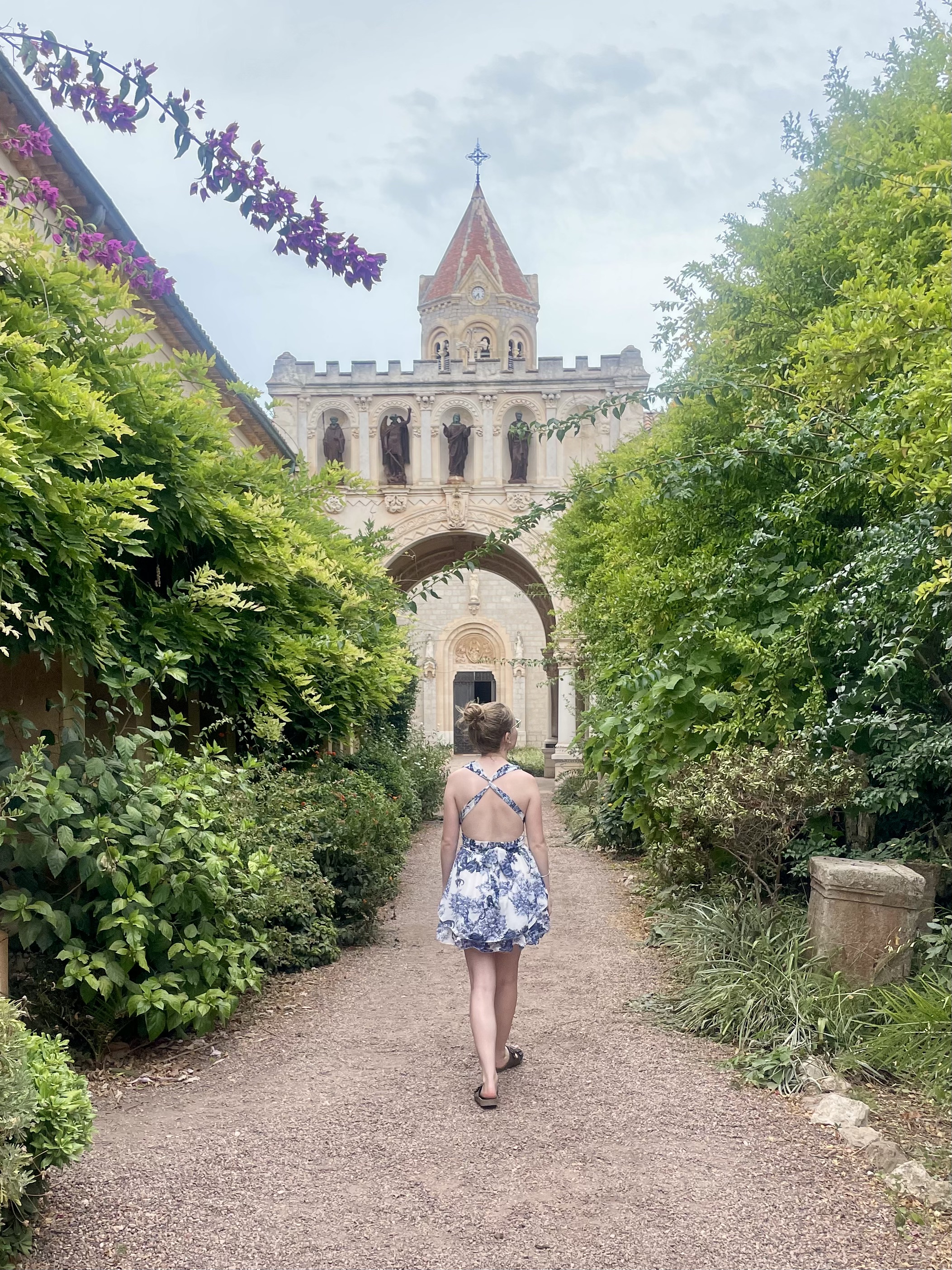
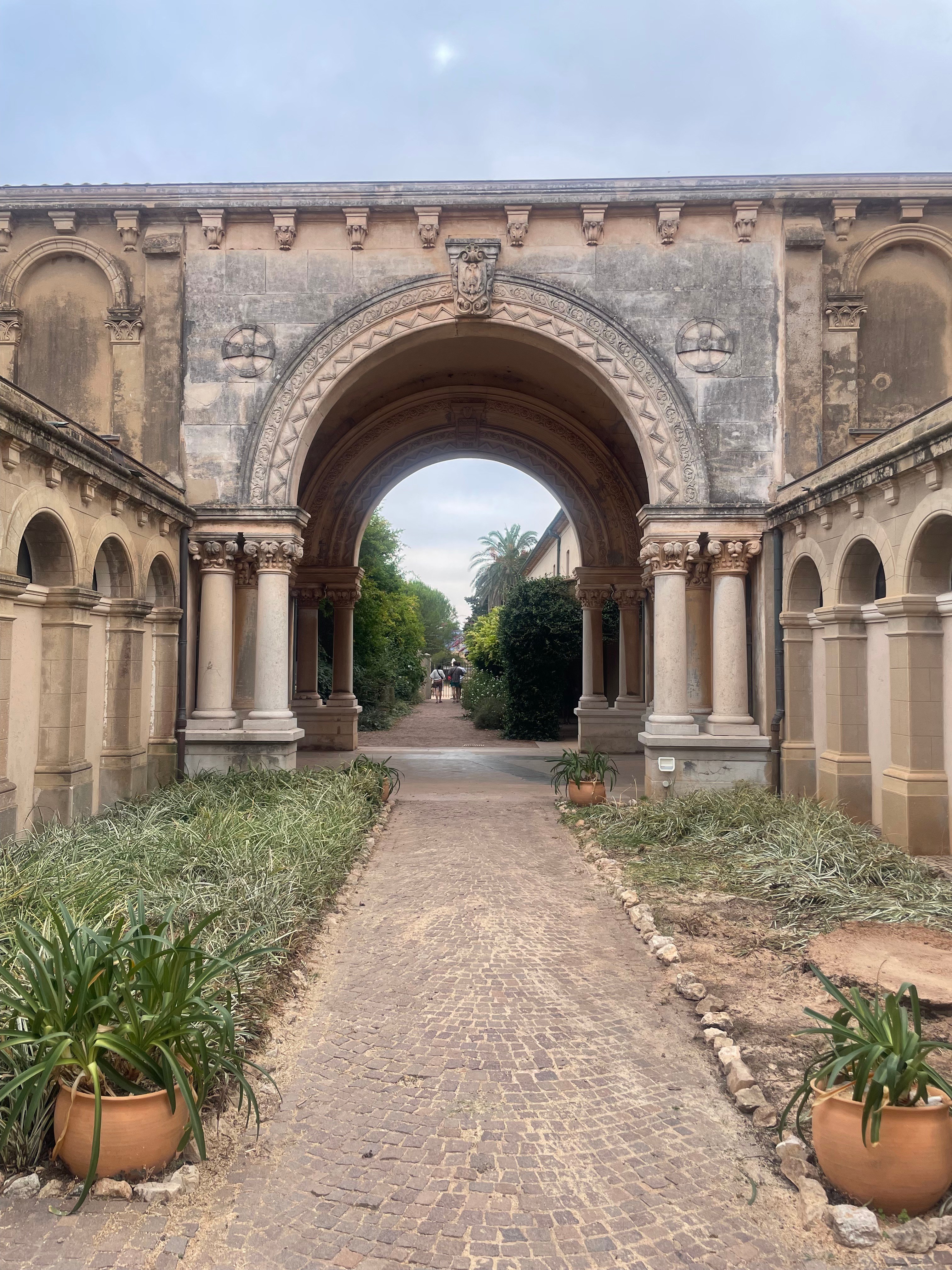
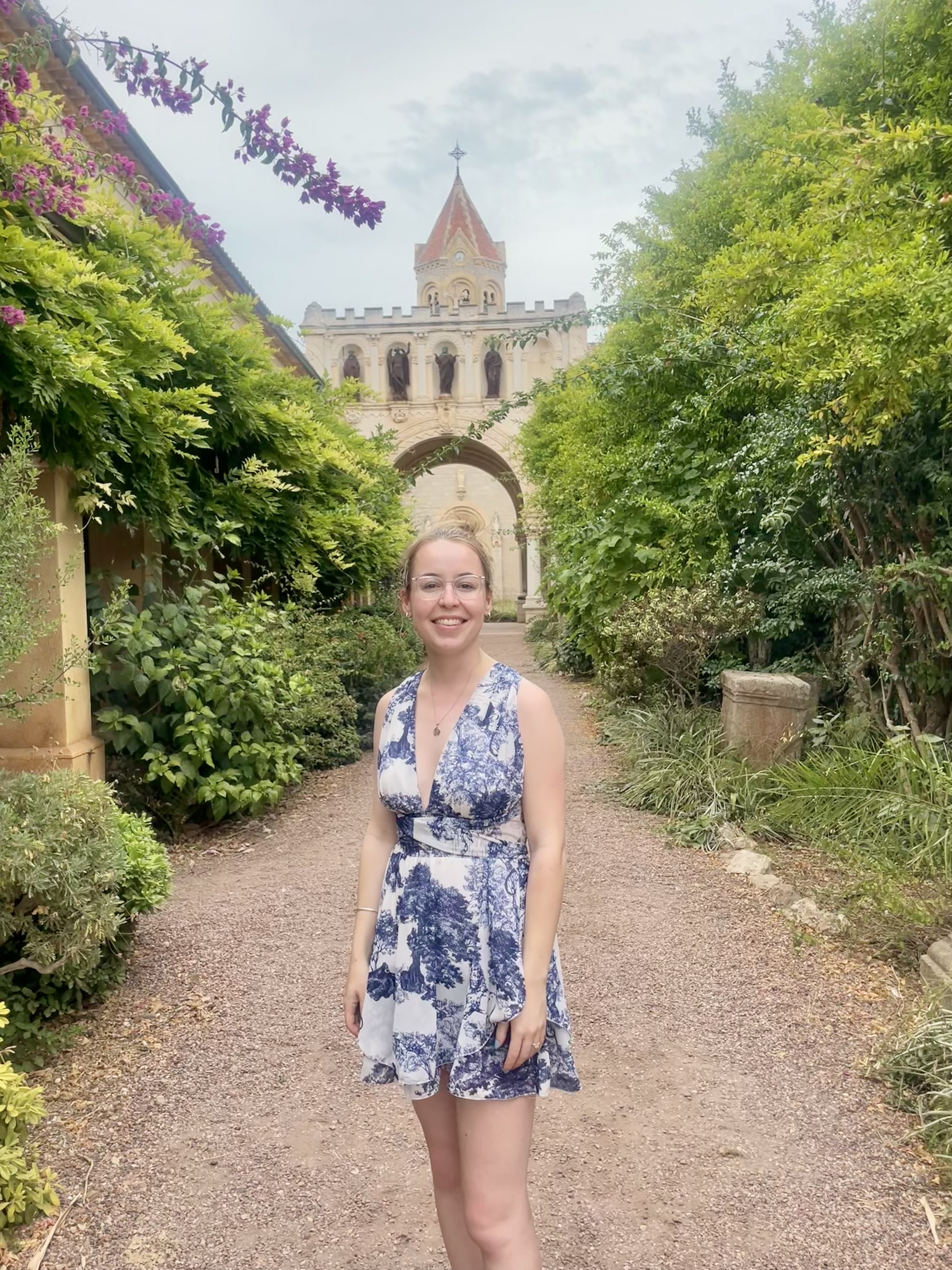
We visited the church with its beautiful courtyard, then wandered on to see the old fortified monastery rising right by the sea — such an impressive sight. Along the way we also came across a small chapel tucked away among the trees. Altogether, we walked for about an hour, soaking in the calm and unhurried atmosphere of this special place.


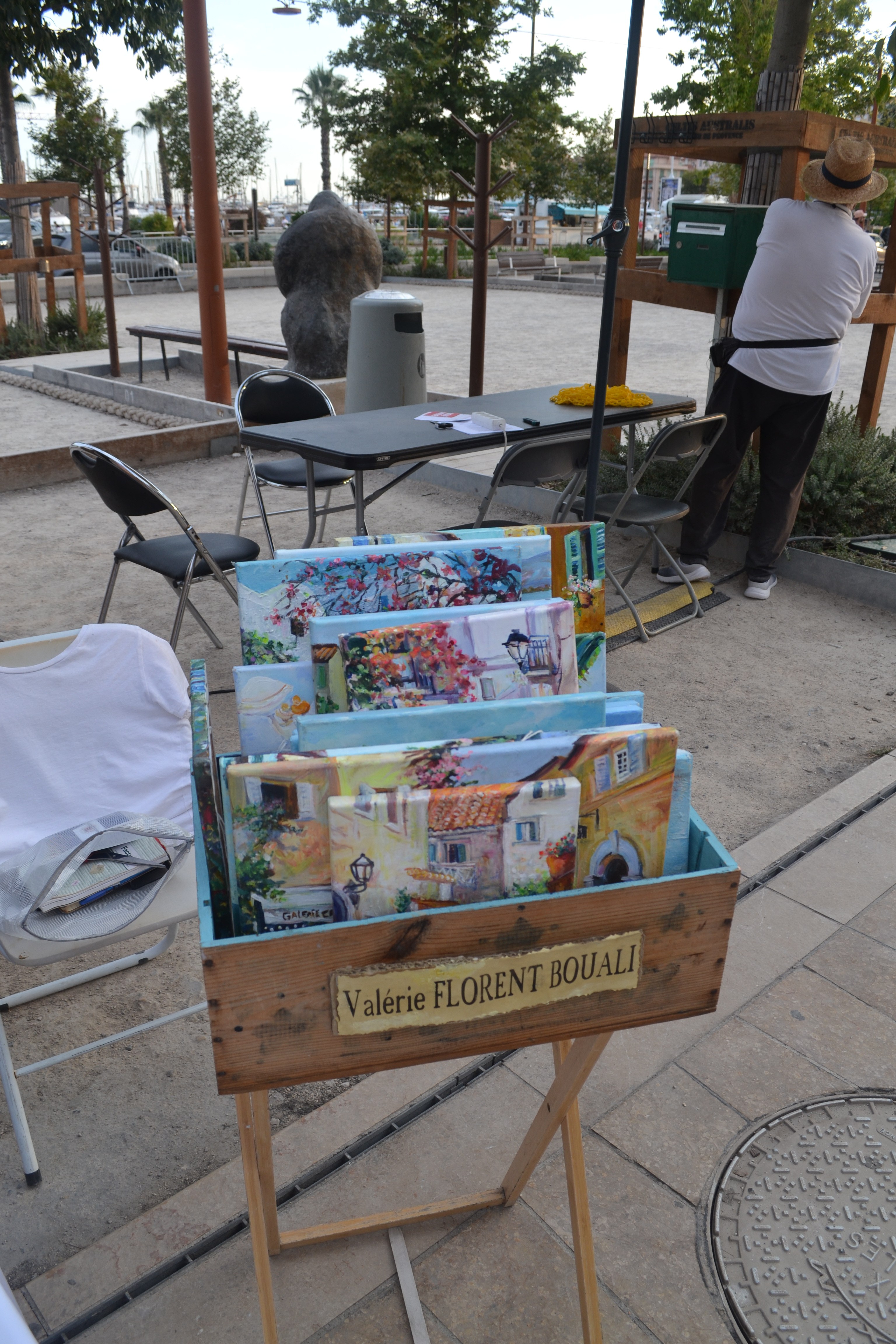
We then caught the ferry back to the mainland, and explored the promenade, catching the last of the evening market. We stopped by an artists stall and picked up a beautiful little canvas to remember our trip by.


Saint-Martin-Vésubie
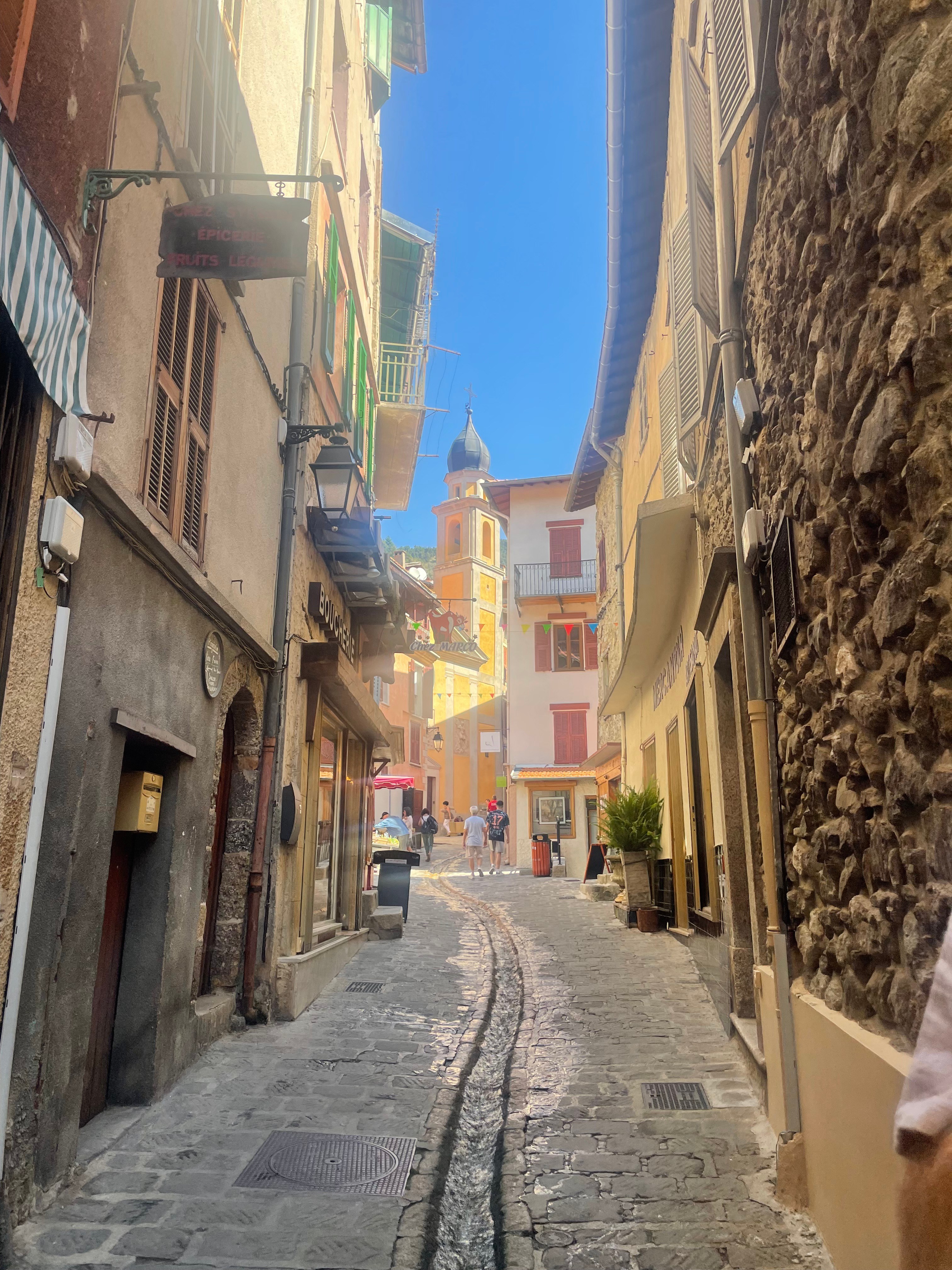
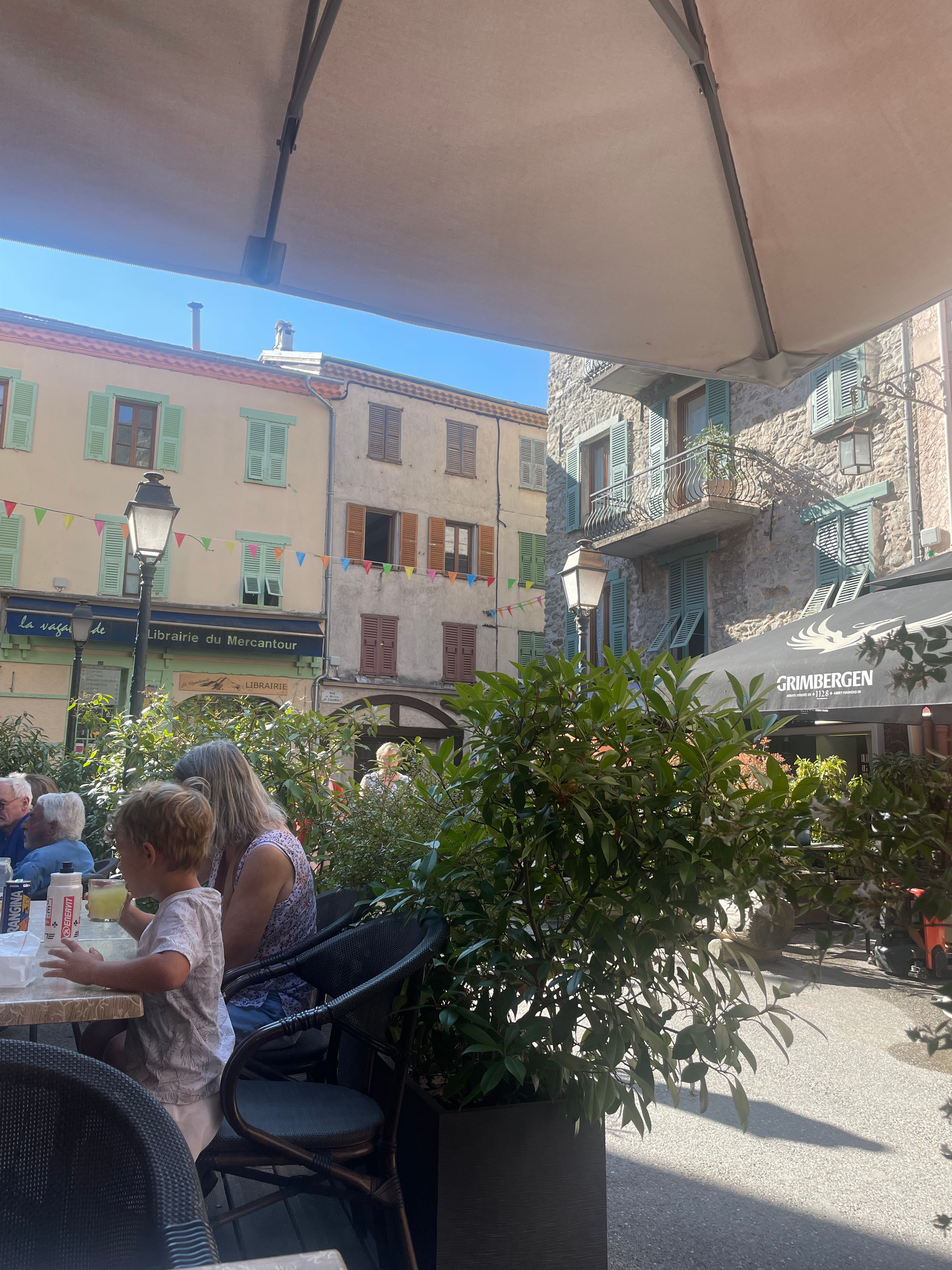
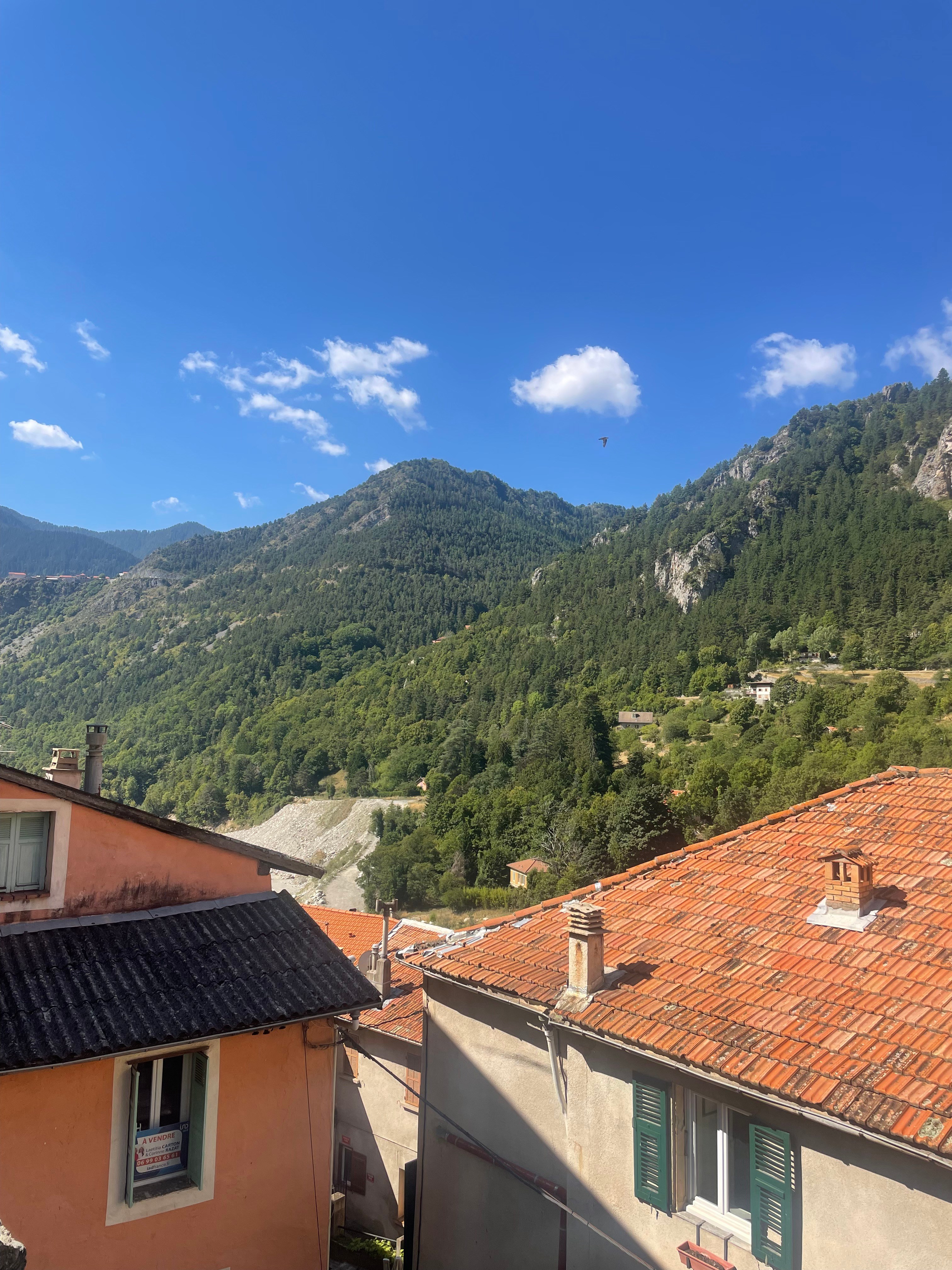
The following day, we took the bus into the mountains to the gorgeous village of Saint-Martin-Vésubie. Nestled among dramatic Alpine scenery, it was absolutely beautiful. We stumbled across some gorgeous treasures here—a painting from a local gallery capturing the village’s most famous view, and a pair of handmade woollen slippers that I couldn’t resist.
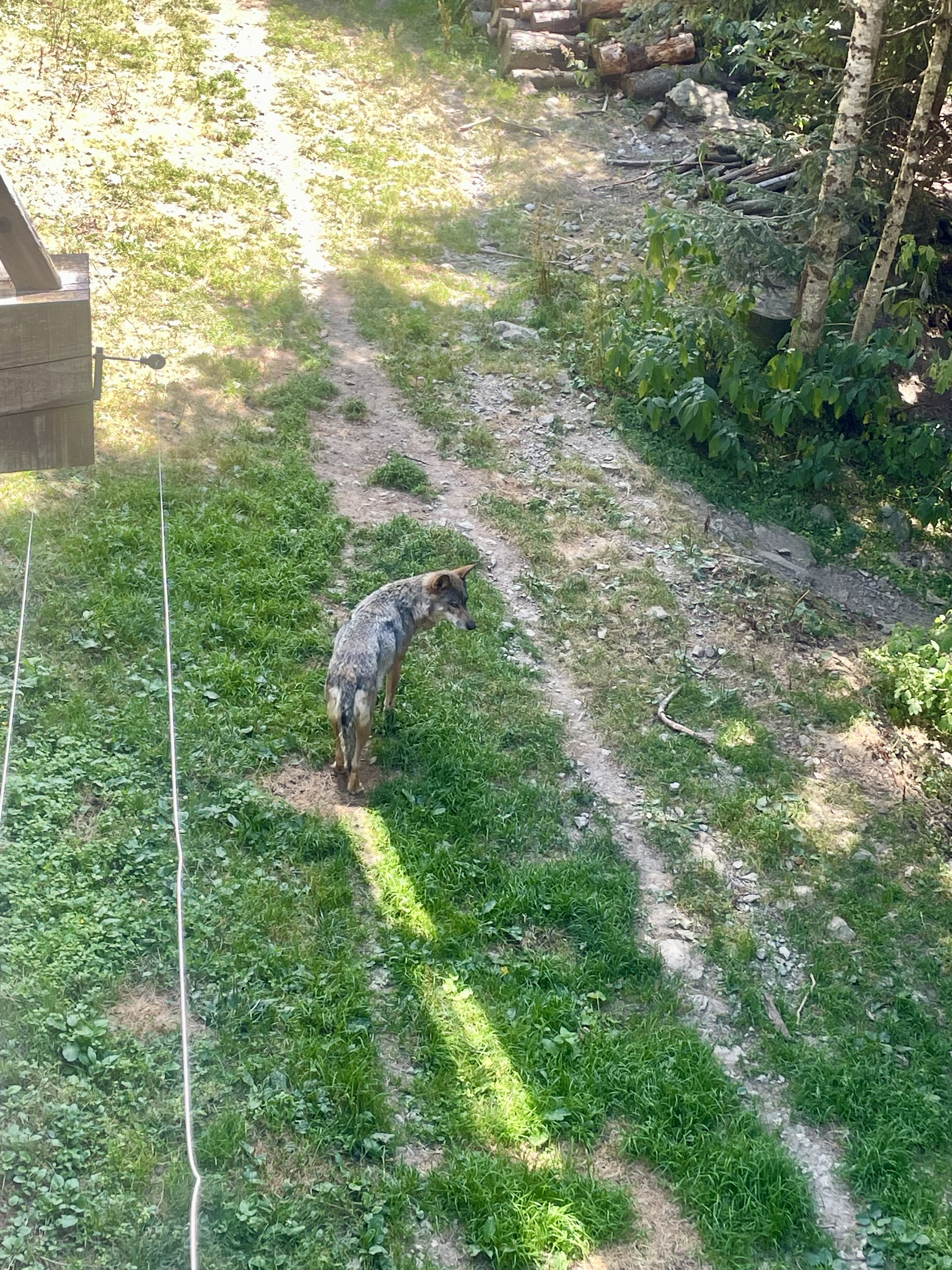
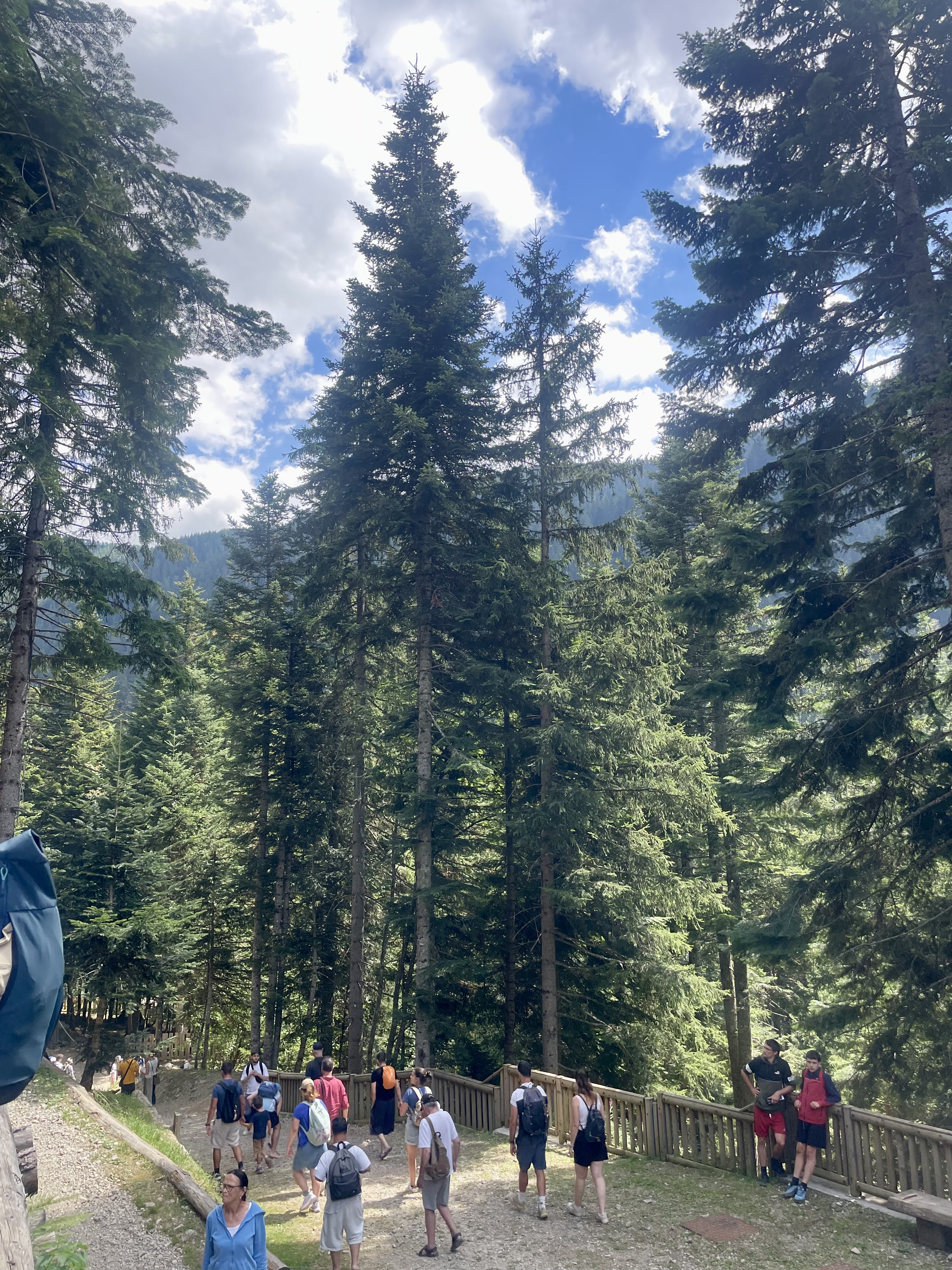
From the village, we caught a taxi to Parc Alpha, a wildlife park dedicated to wolves and other animals. We spent the day exploring the park’s trails and watching the wolves, including both Arctic wolves and a pack from the Czech Republic.
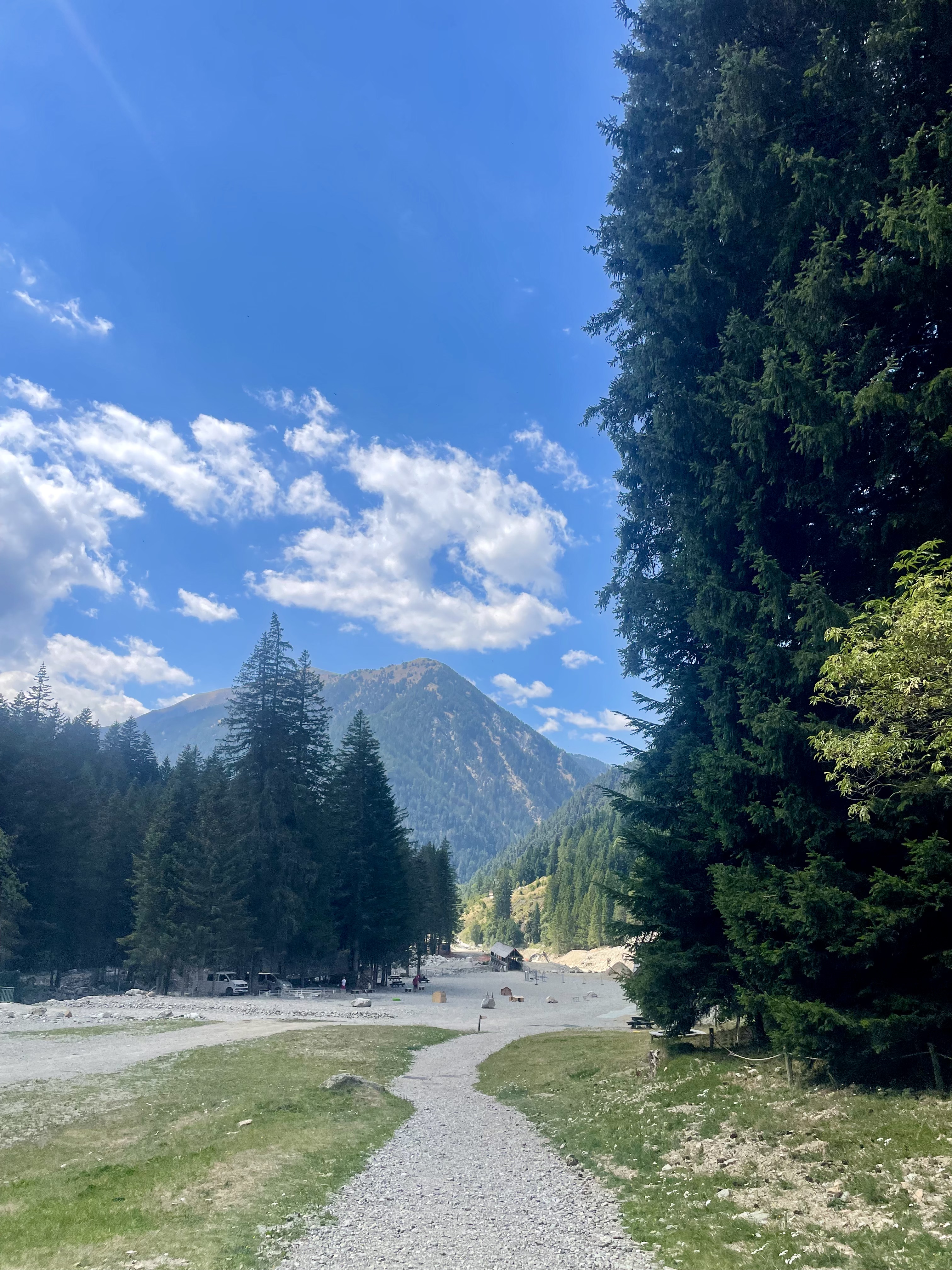
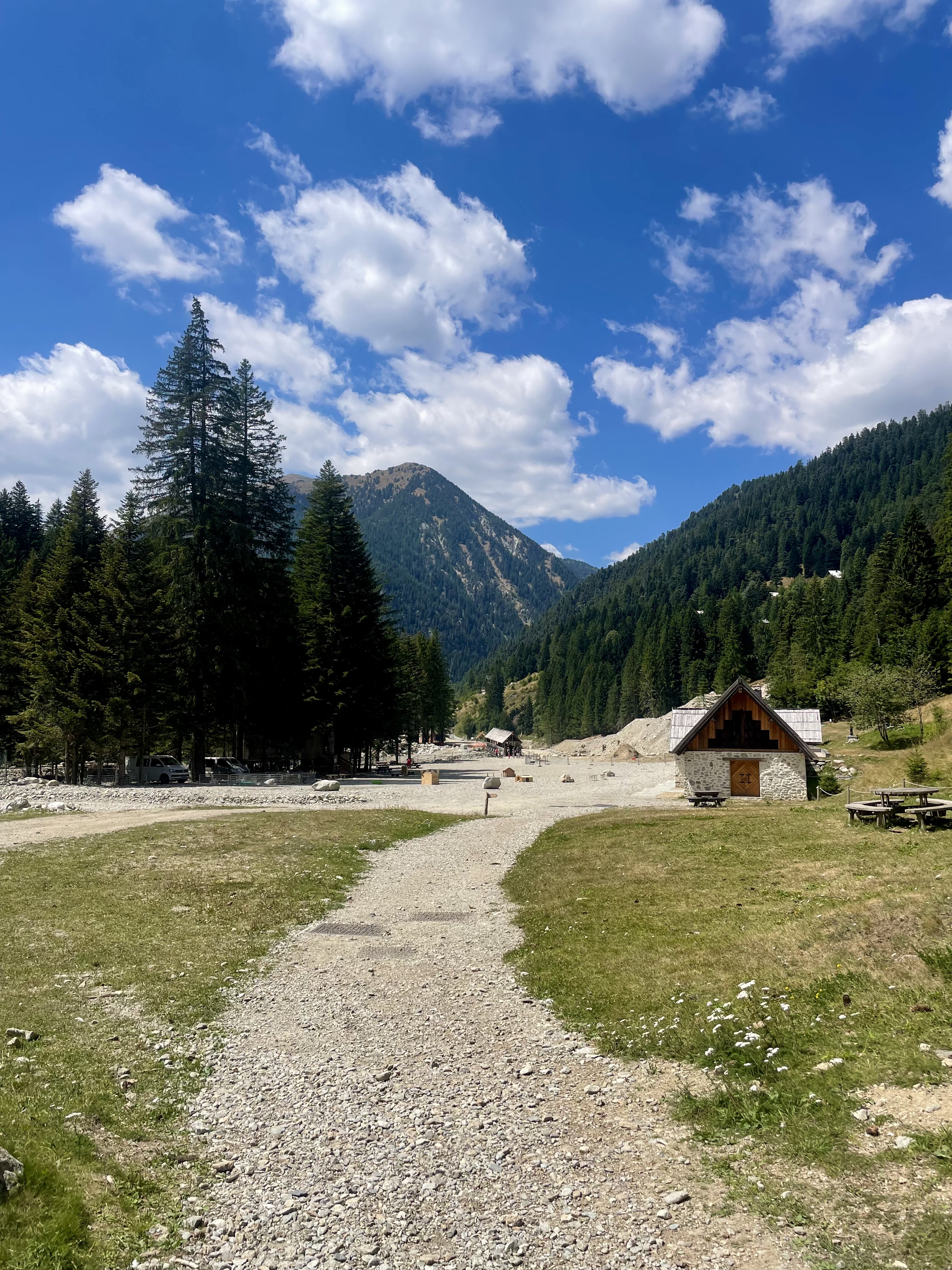
The park has an interesting history: it was established in 2000 in the heart of the Mercantour National Park, following the natural return of wolves to the region in the early 1990s after they had been absent from France for nearly 60 years. Unlike a traditional zoo, Parc Alpha was designed as a conservation and educational centre, giving visitors the chance to learn about the complex relationship between humans and wolves while observing the animals in expansive, semi-natural enclosures.
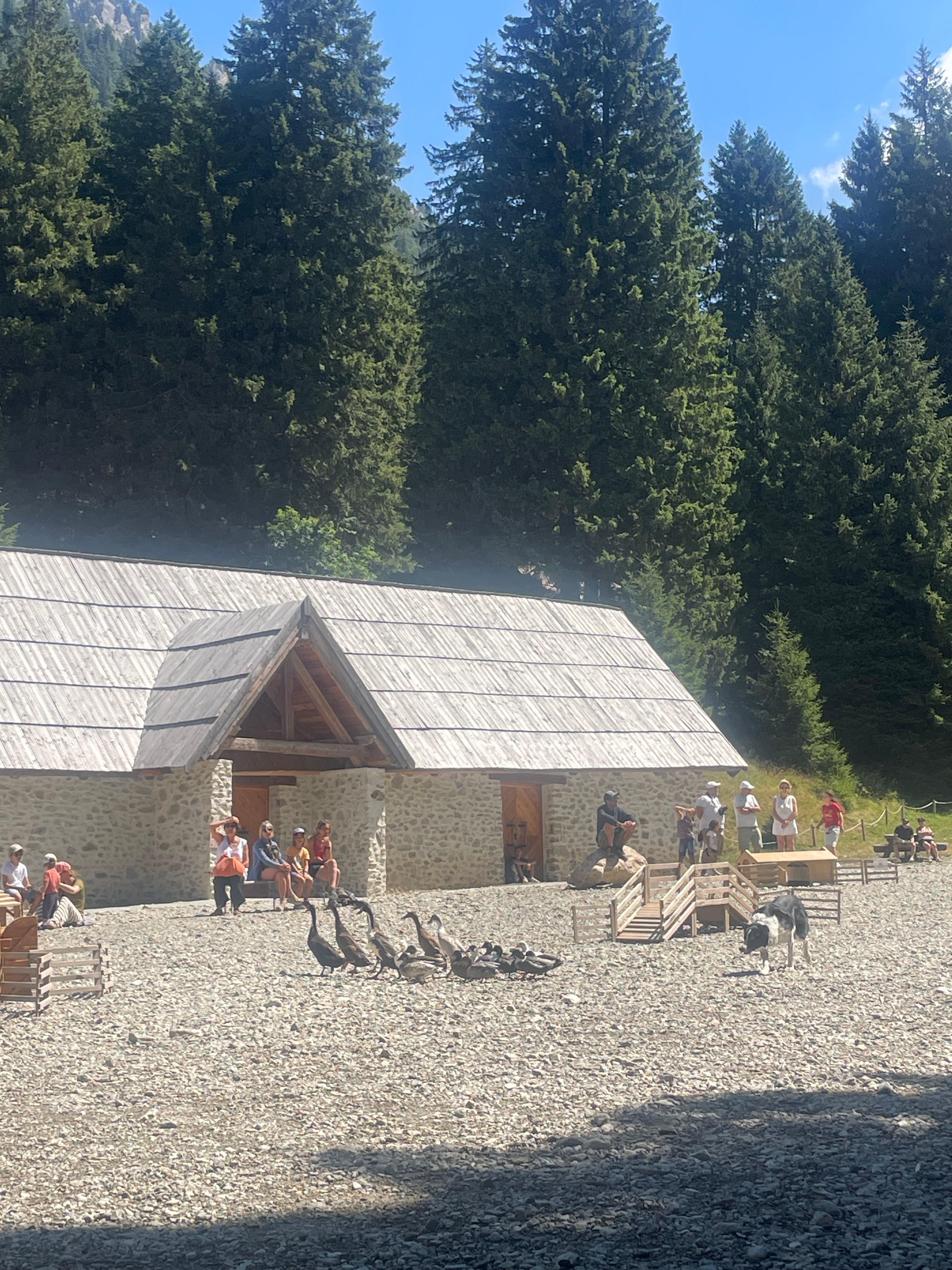
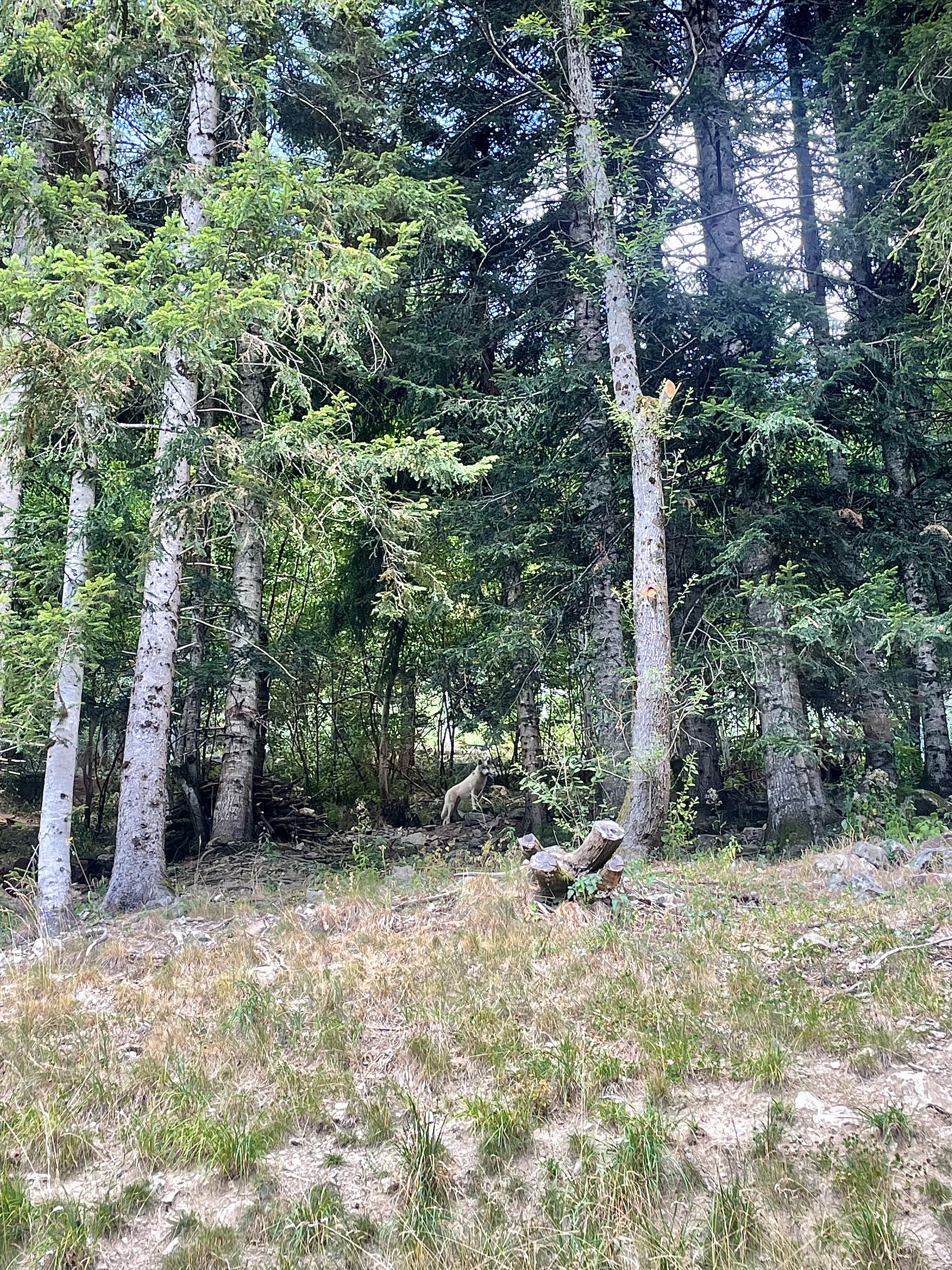
After we finished exploring the park, wandered around the nearby Lac du Boréon, which looked like something out of a postcard.


Our journey home turned into a bit of an adventure. The bus we were meant to catch from the park never showed up, but luckily one of the lovely staff members offered us a lift to a bus stop about half an hour away.
On the drive, she told us more about the park’s history — in October 2020, Storm Alex caused catastrophic flooding and landslides in the valley, destroying large parts of Parc Alpha. Sadly, several wolves were killed during the disaster, while others managed to escape and were never found, despite expansive searches in the surrounding mountains. It was sobering to hear how such a natural disaster had left such a mark on both the park and the local community.
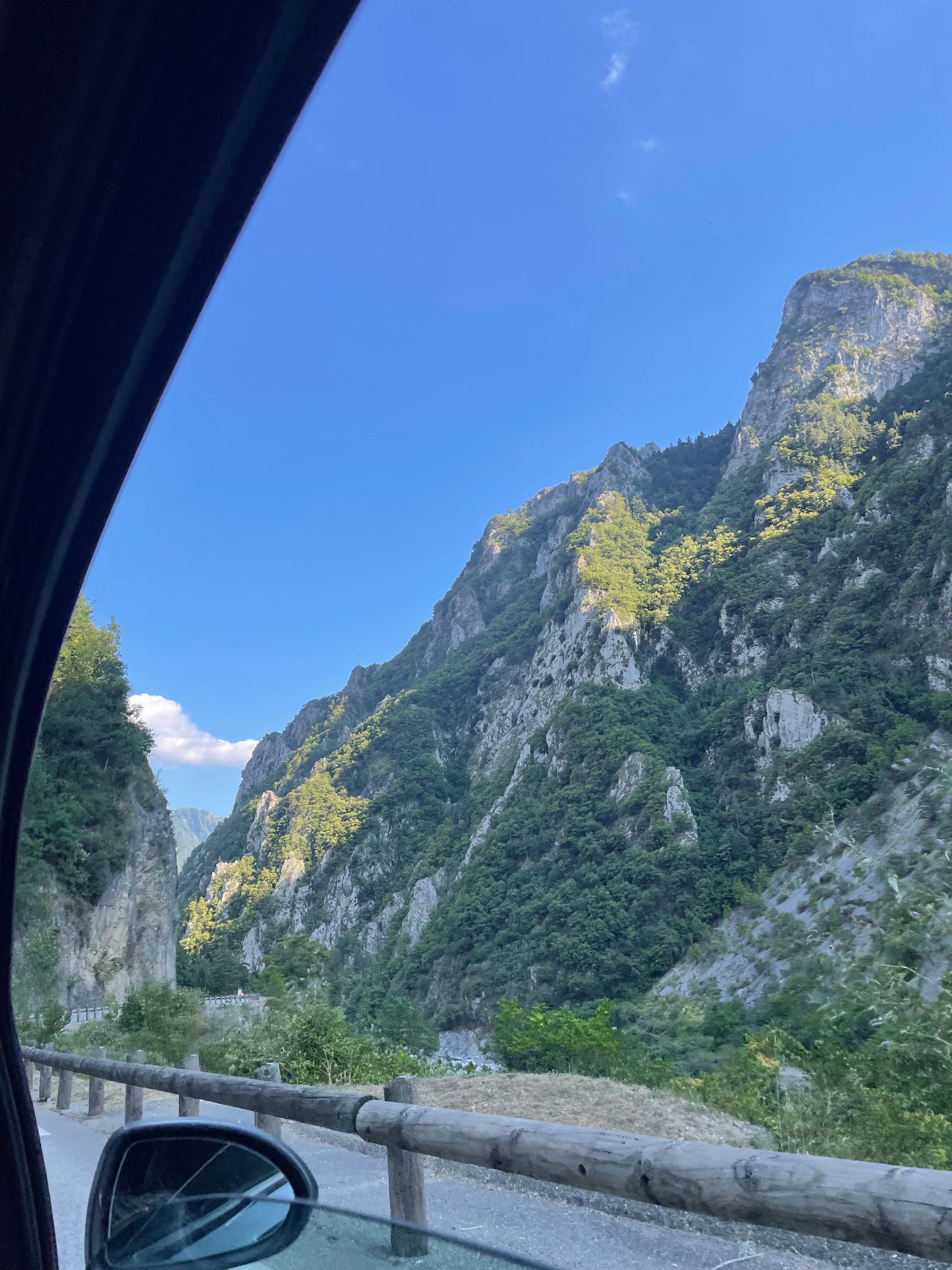
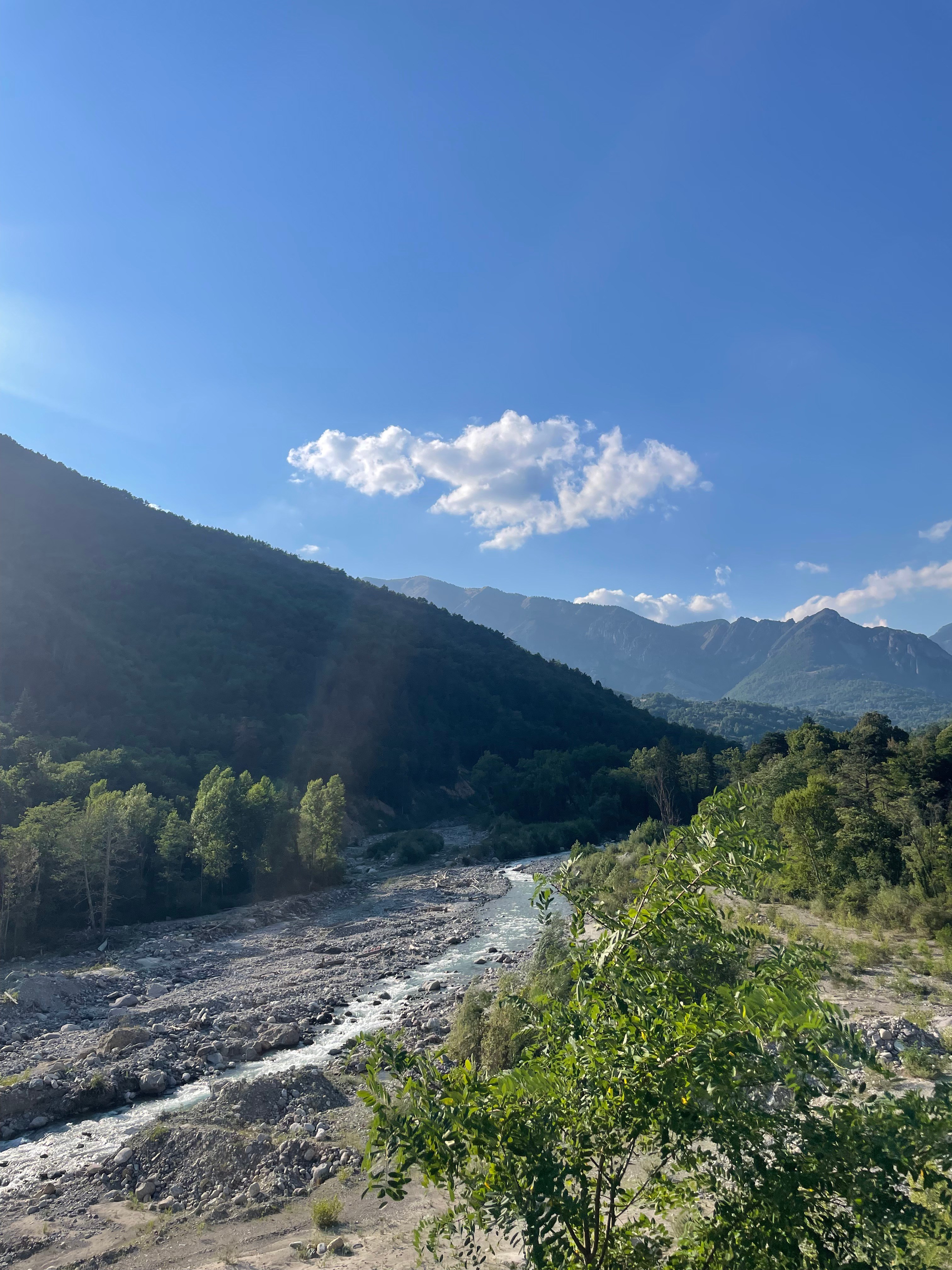
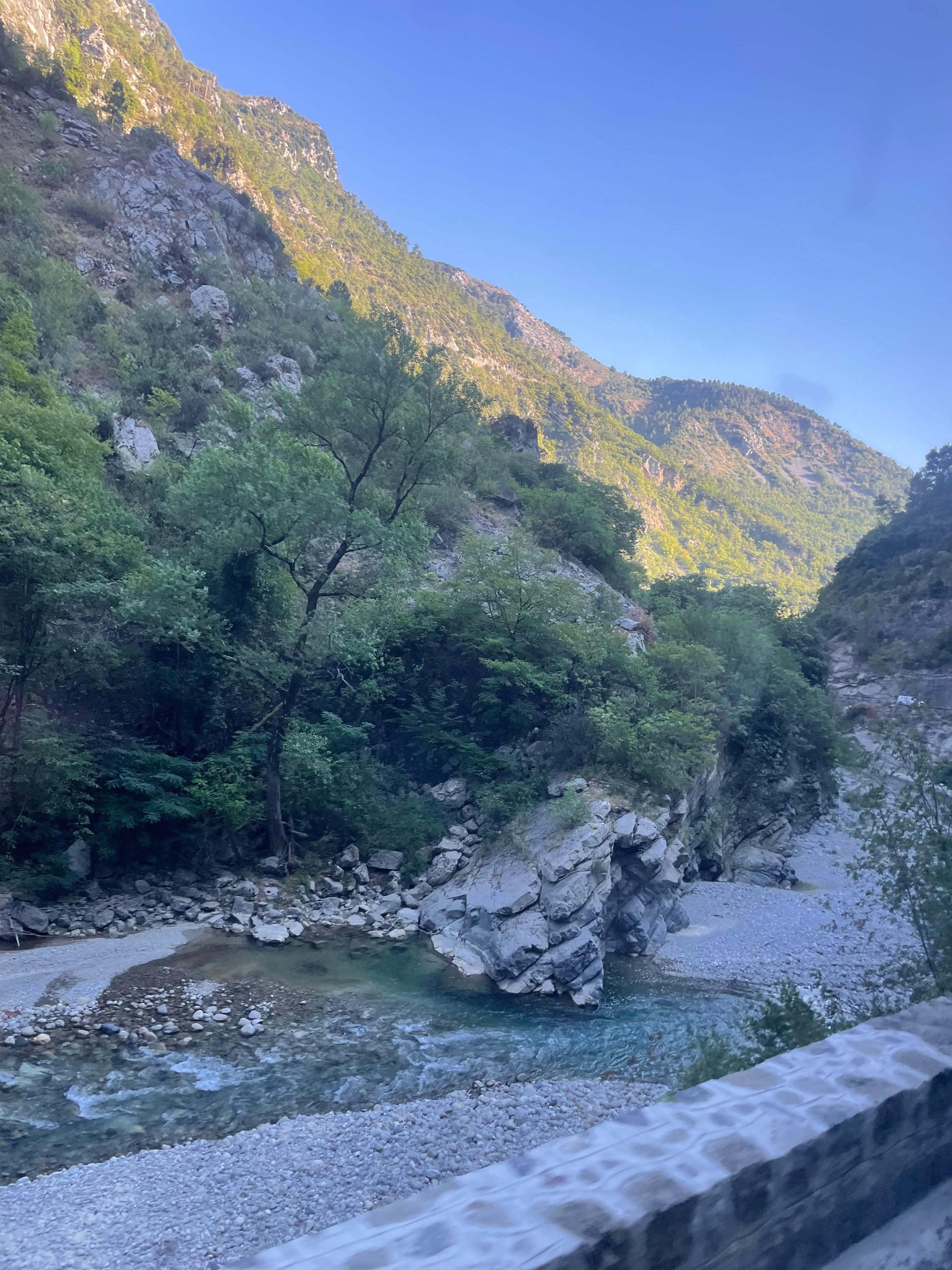
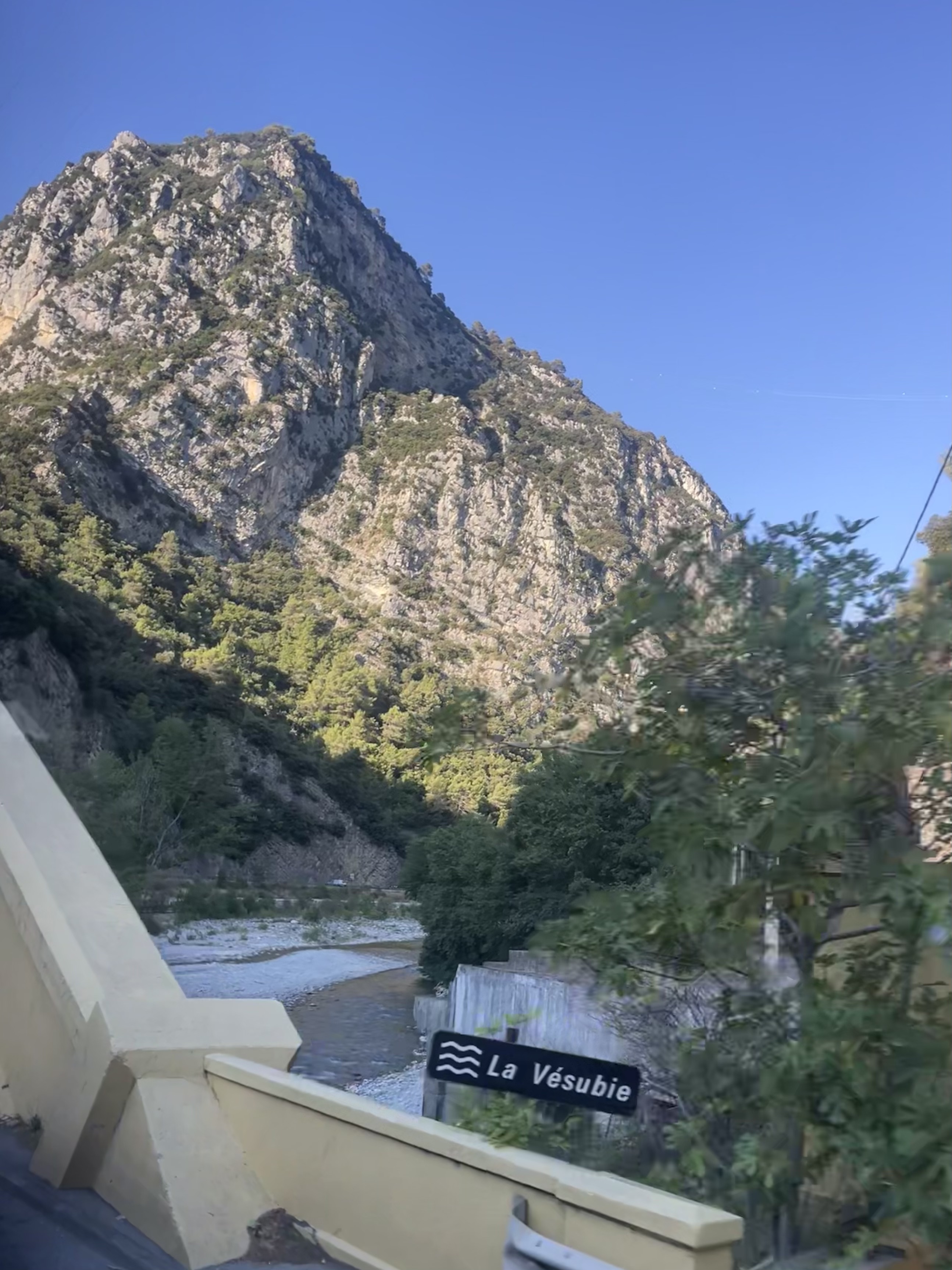
We then caught a bus that, to our dismay, ended up heading in the wrong direction before we finally managed to track down the right one. At least the detour came with a silver lining: the drive back was spectacular. The winding mountain road opened up to breathtaking views of gorges, deep valleys, and towering rock faces — truly one of the most beautiful drives I’ve ever experienced.
Our Final Day
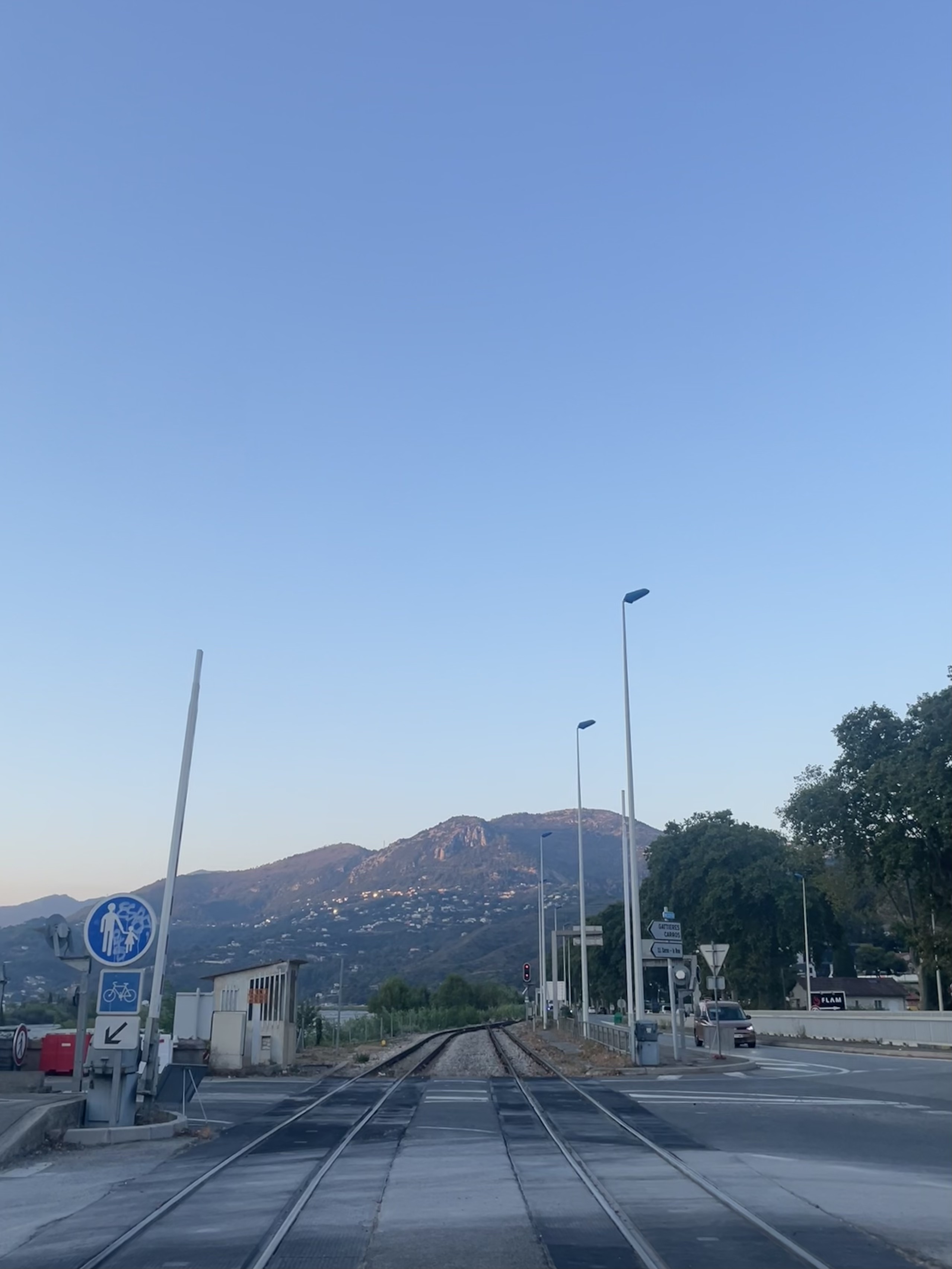
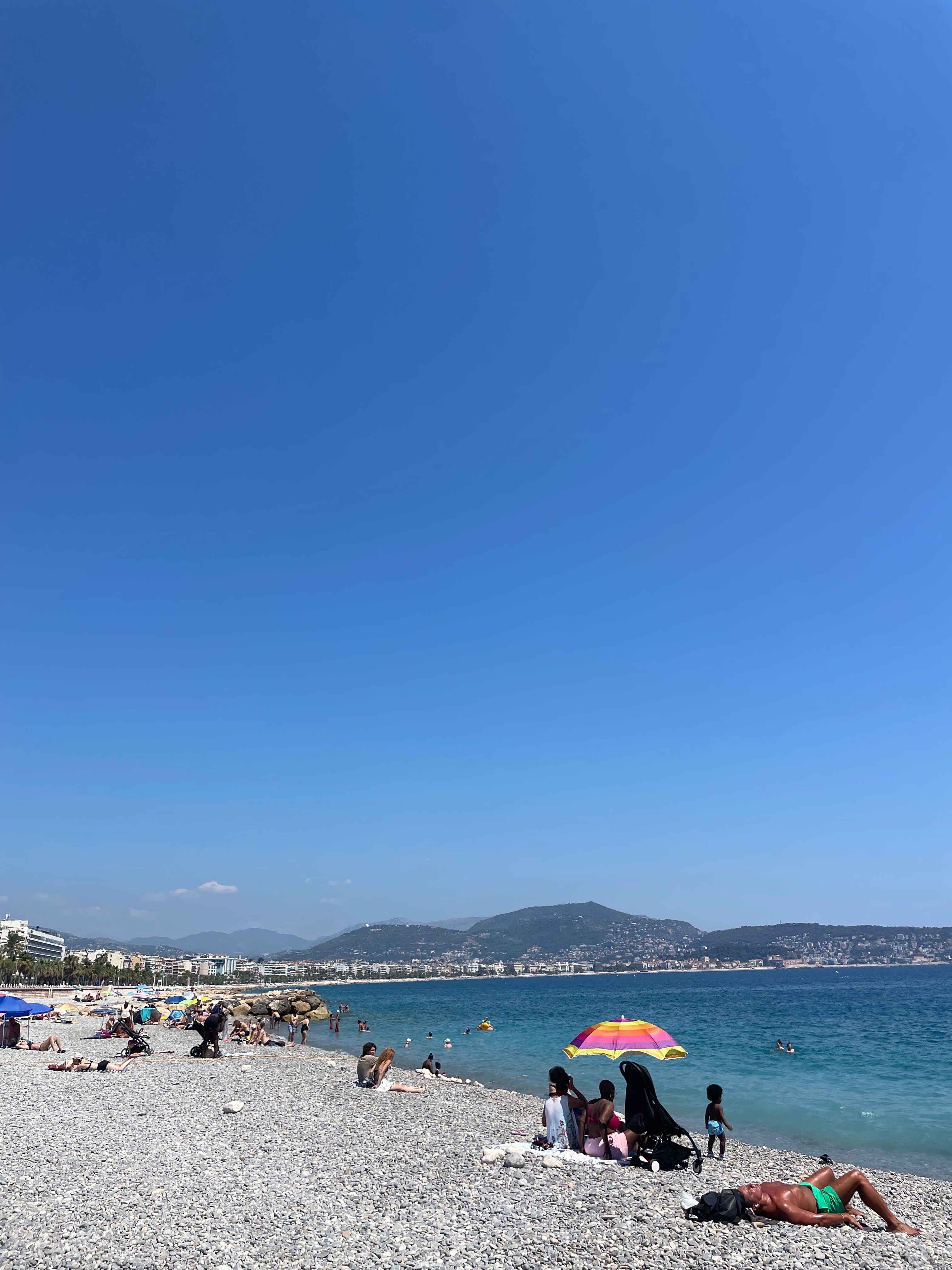
We spent our last day back in Nice, taking a long walk along the Promenade des Anglais before swimming and relaxing on the beach. We had planned to visit Èze, but an accident on the railway meant our train was cancelled—something to save for next time.
One thing to note is that food here isn’t cheap, which is common in popular European destinations. We mixed eating out for lunches and some dinners with cooking at our Airbnb, but still spent around £500 on food for the week.
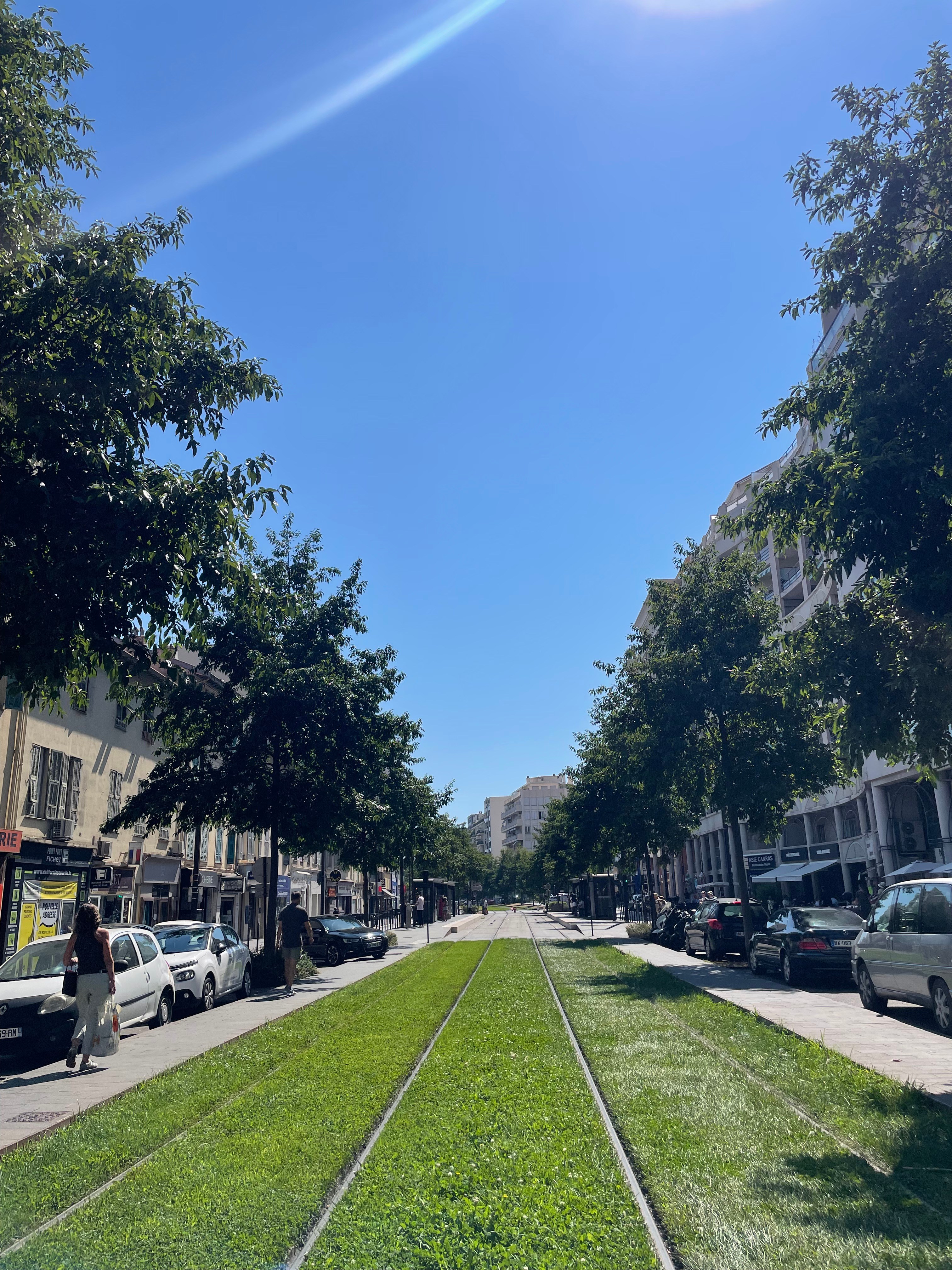
For transport, we purchased the €50 “Sortir d’Azur” transport card, which covered all our buses, trams, and regional trains for the trip, except for the ferry to Île Saint-Honorat (€19 each). I’d highly recommend it if you’re relying on public transport. That said, if we return, we’ll likely hire a car—it was incredibly busy in peak season, and some destinations are tricky to reach without one.
Final Impressions
I have to say, the stereotypes about unfriendly French people certainly didn’t apply here. Aside from one slightly grumpy shopkeeper, everyone we met was warm, kind, and welcoming. Many spoke to us in French, and a few even asked us for directions!
Another thing I loved was how calm life felt here. People seemed relaxed all the time—even the tram announcements were soothing, set to soft beach or forest music. It was such a refreshing change from the droning monotone of British railway announcements.
We left the French Riviera with half a suitcase full of treasures and a whole suitcase full of memories. If you’re thinking about travelling to the South of France, let me know—I’m more than happy to share my full itinerary.