
TWO DAYS IN
Bologna, Italy
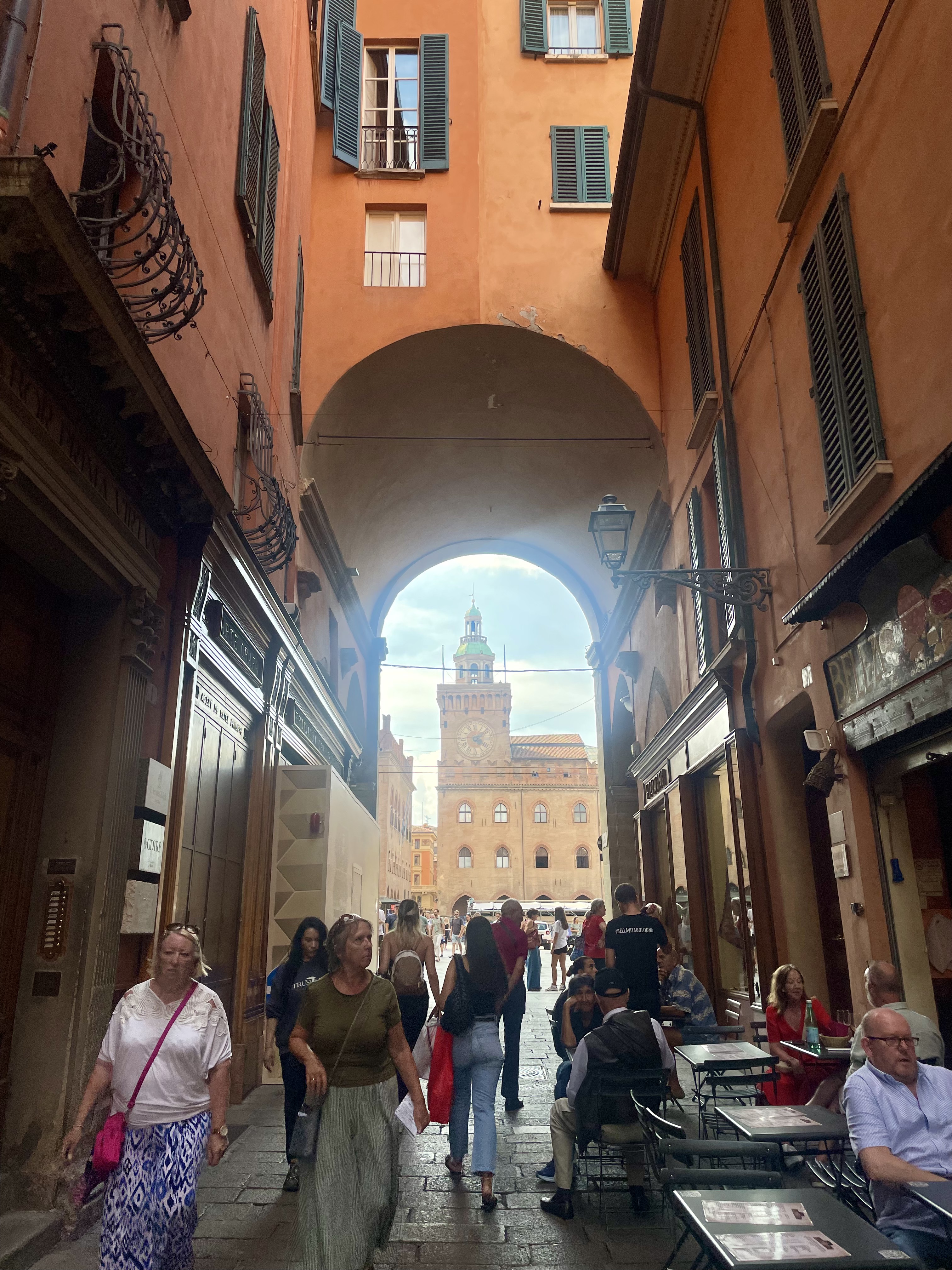
I spent a few days in Bologna. The terracotta buildings, long stretches of porticoes, and lived-in feel make it easy to settle into its rhythm.
The Basilica di San Petronio on Piazza Maggiore was one of my first stops. It’s massive, slightly unfinished on the outside, and strangely fitting for the city — impressive without being showy. Inside, it’s calm and spacious, with a long meridian line running across the floor that once tracked solar time. It’s easy to miss if you don’t know it’s there.
Nearby, I visited the Museo Civico Archeologico. It’s one of the most well-organised archaeology museums I’ve seen, especially considering how many layers of history are packed into it — Etruscan, Roman, Greek, and Egyptian. What I liked most was how compact and accessible it felt. You could take your time with each section without feeling overwhelmed. The collection is extensive but thoughtfully laid out, with galleries dedicated to Etruscan, Roman, Greek, and Egyptian artefacts — each offering a different angle on Bologna’s layered past. The Etruscan section, in particular, stood out to me. Bologna, known as Felsina in Etruscan times, was an important city long before the Romans arrived, and the museum gives a clear sense of how deep those roots go. There were funerary urns, bronze mirrors, and delicate ceramics — all everyday objects, but they made that ancient world feel closer.
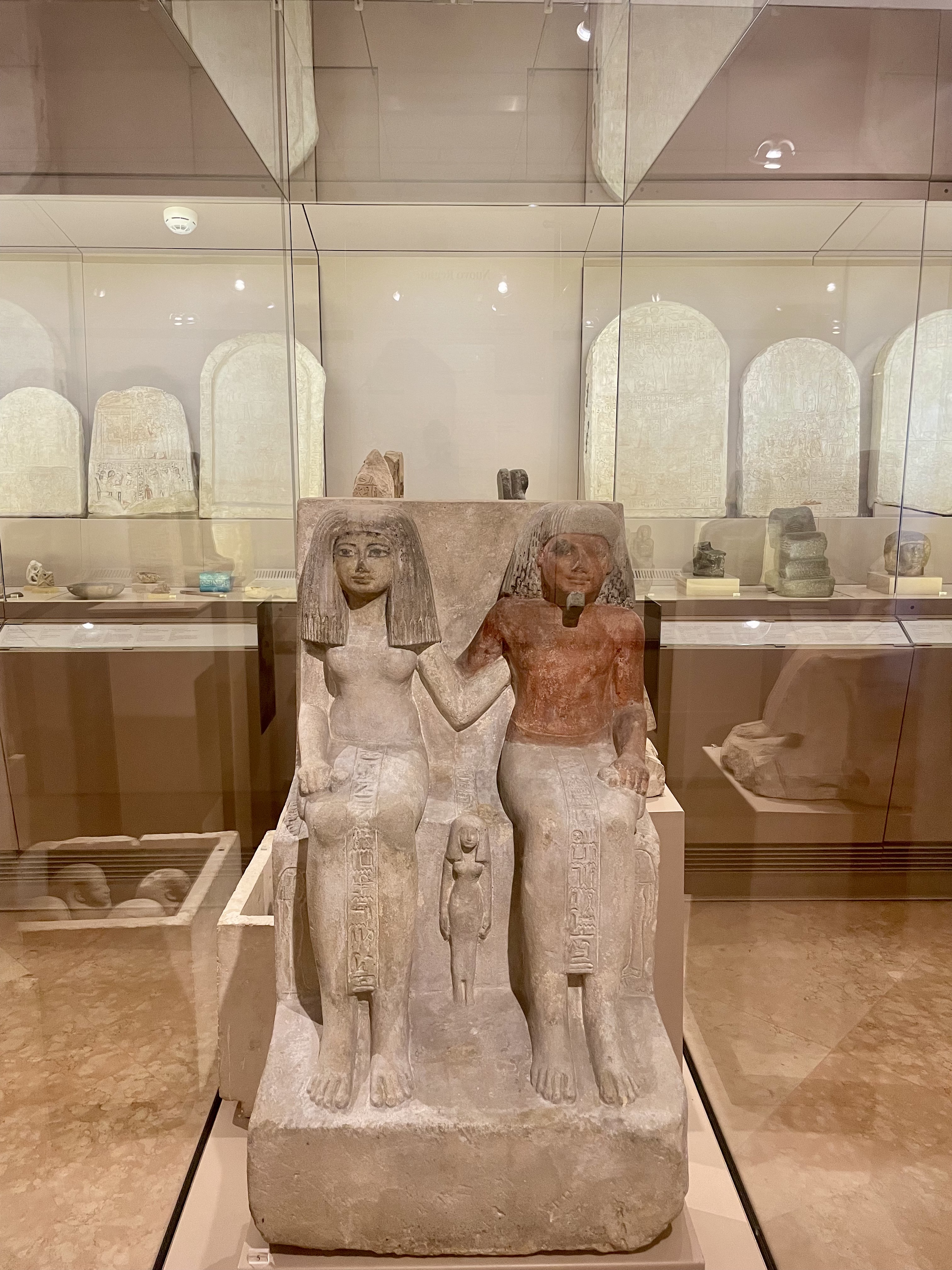
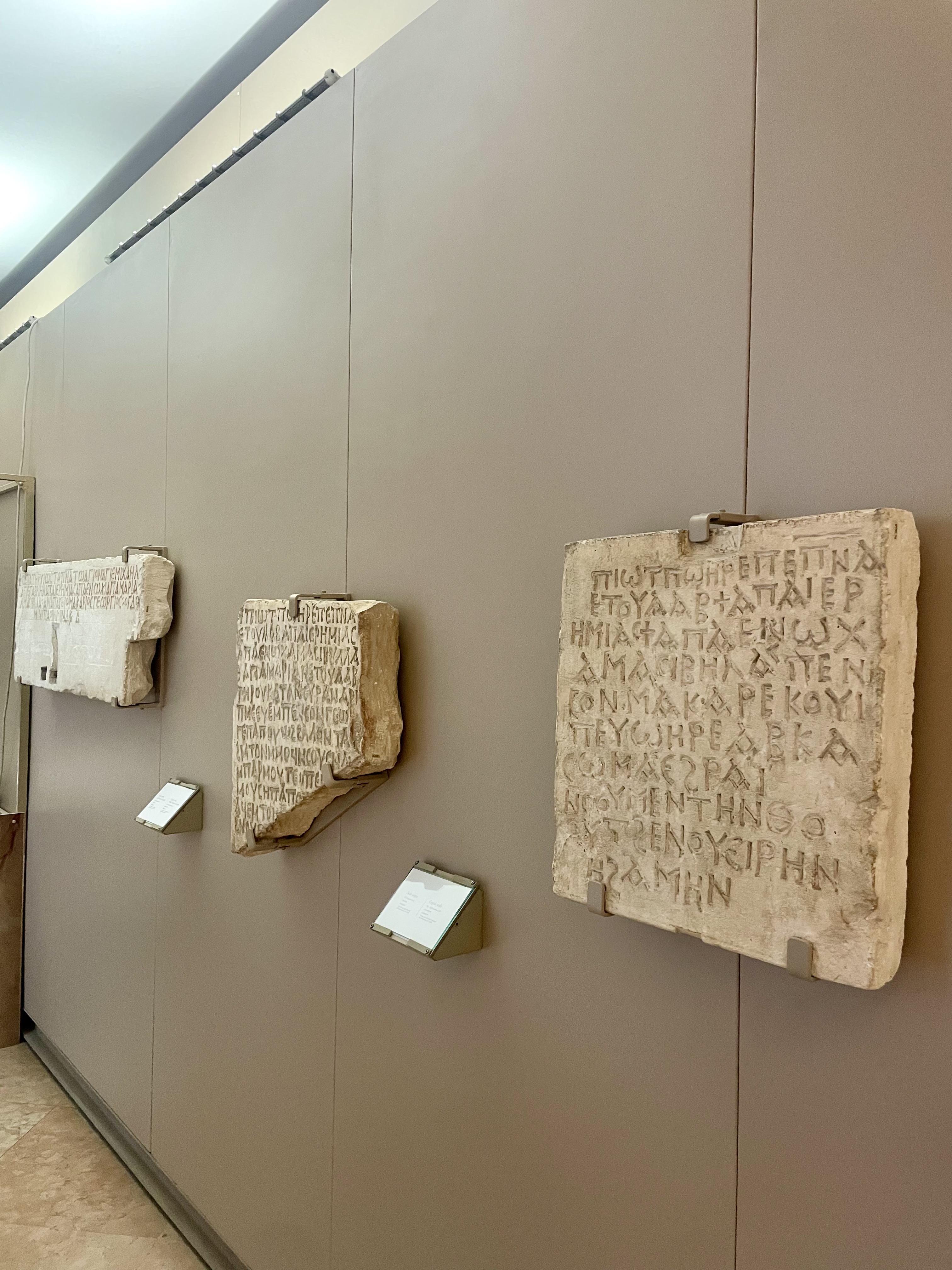
The Roman section was just as impressive, filled with mosaics, statues, and everyday items like oil lamps and coins. What struck me most was how many objects had come from local excavations — proof that the city’s Roman past is still quite literally underfoot. The Egyptian collection was a surprise. It’s one of the largest in Italy, and though I didn’t expect to see sarcophagi and canopic jars in Bologna, I’m glad I did. Everything was displayed with just the right amount of context — enough to understand what you’re looking at without feeling like you’re reading a textbook.


I also made time for Palazzo Re Enzo, which sits right next to the main square. It’s more of a pass-through spot these days, but still impressive when you think about its history — a 13th-century palace where a captured king was held for decades. I wandered through the courtyard and upper galleries, picturing how it might have felt back then.
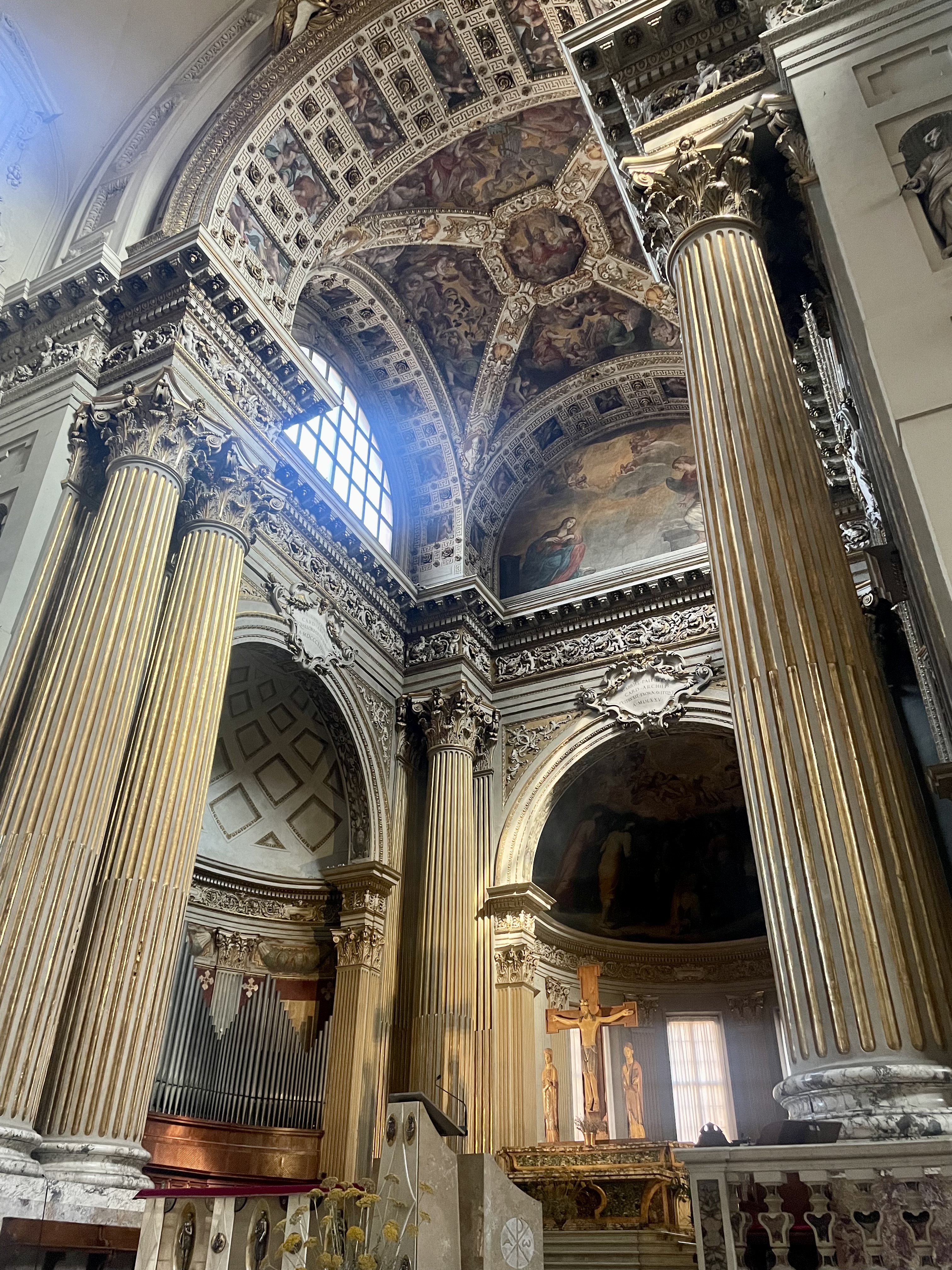
Next, Santuario di Santa Maria della Vita. Another beautiful Italian church full of of stunning architecture, intricate stucco work, ceiling frescoes, and quiet side altars give it that unmistakable Italian blend of sacred and artistic.


Between visits, I wandered the city — under the endless porticoes, past students chatting on steps, and into cafés serving tagliatelle al ragù. Bologna feels lived-in and real, with its mix of students, locals, and visitors all blending into a city that doesn’t feel overly curated. That’s what I liked most — it’s not trying too hard. It just is.

